

Portugal is one of those European countries that offers a little bit of everything. You can wander through colourful old streets, relax on golden beaches, explore fairytale palaces, taste fresh seafood, and watch the sunset over the Atlantic—all in one trip. For travellers planning a European vacation, the variety of Portugal travel destinations makes it easy to build an itinerary around history, food, nature, romance, or adventure.
From the lively streets of Lisbon to the riverside beauty of Porto and the dramatic coastline of the Algarve, every region has its own personality. You can even venture beyond mainland Portugal to discover Madeira and the Azores, two Atlantic island groups known for their remarkable landscapes.
Whether you’re visiting Portugal for the first time or returning to explore somewhere new, these 15 places will help you decide where to go, what to see, and how to make the most of your trip.
Portugal Travel Destinations: 15 Best Places to Visit
1. Lisbon — Portugal’s Colourful Capital
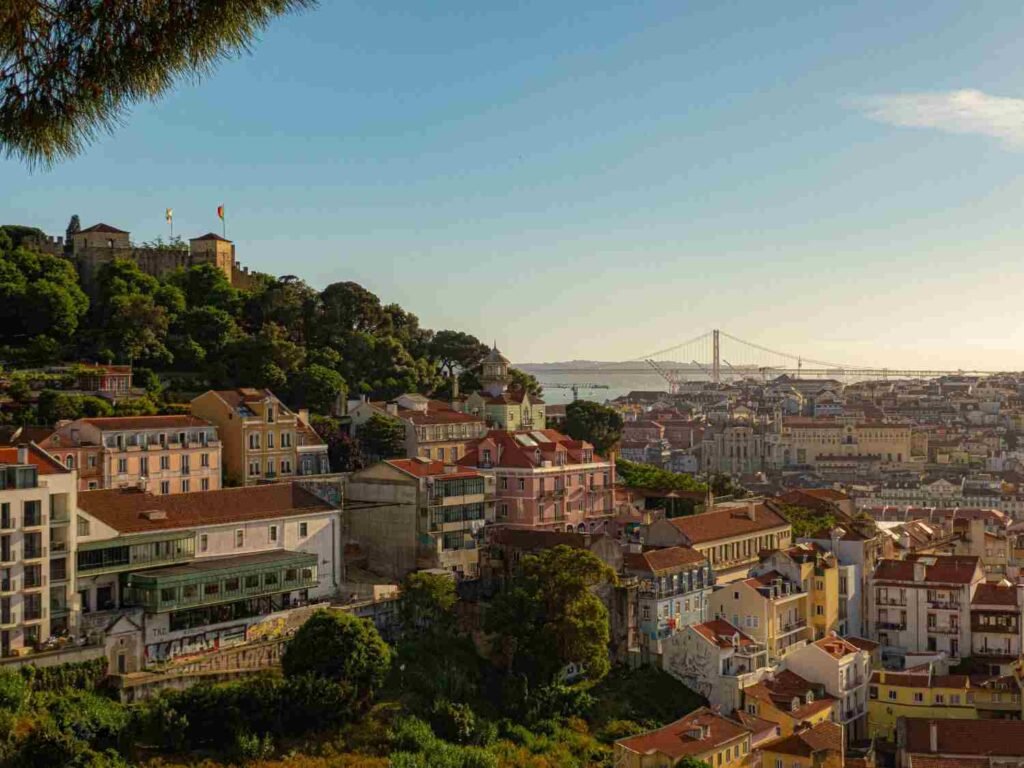
Lisbon is an excellent starting point for a Portugal vacation. Built across rolling hills beside the Tagus River, the capital combines historic neighbourhoods, tiled buildings, scenic viewpoints, and a lively food scene.
Explore the narrow streets of Alfama, ride a traditional tram through the city, and visit Belém to see its famous riverside monuments. Don’t leave without trying a pastel de nata, Portugal’s beloved custard tart.
Best for: First-time visitors, food lovers, history, and city breaks.
Travel tip: Wear comfortable walking shoes. Lisbon’s hills and cobblestone streets can be tiring, especially if you’re exploring all day.
2. Porto — Riverside Views and Historic Charm
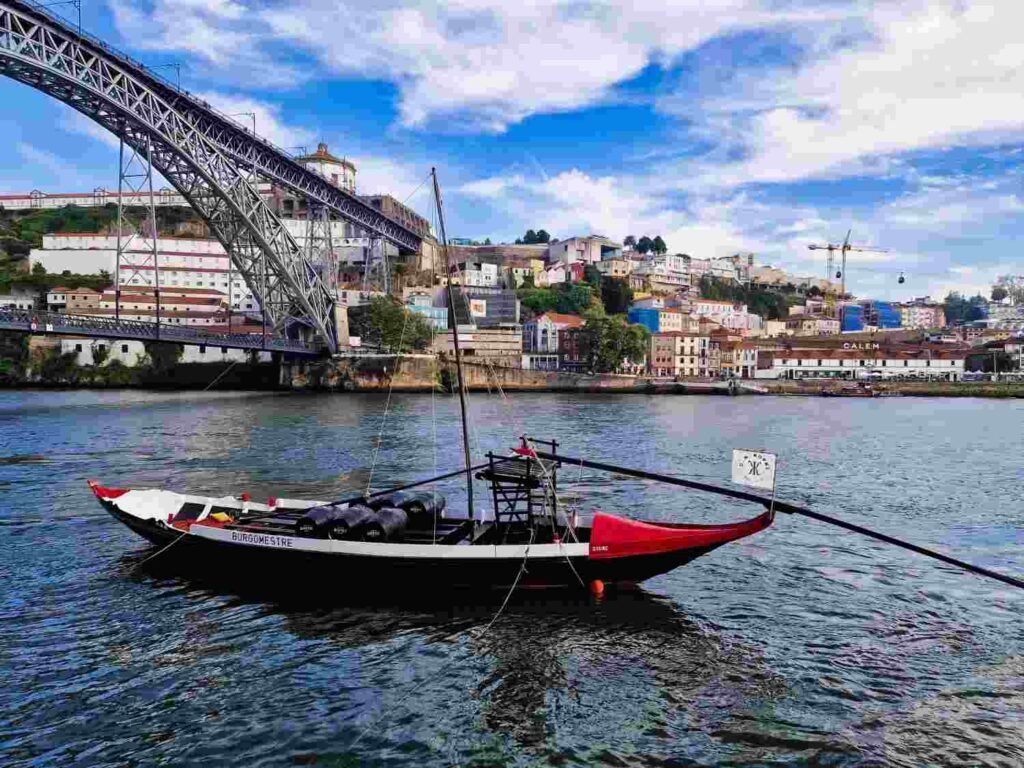
Porto is known for its colourful riverside buildings, impressive bridges, and long connection to port wine. The Ribeira district is a wonderful place to walk, take photos, and enjoy a meal overlooking the Douro River.
Cross the river to Vila Nova de Gaia to visit the traditional port wine cellars, or spend time admiring the blue-and-white tiles at São Bento railway station. Porto feels different from Lisbon, with a more compact historic centre and a distinctive northern Portuguese character.
Best for: Architecture, food, wine culture, and romantic city breaks.
Travel tip: Give yourself at least two full days to explore Porto without rushing.
3. Sintra — Fairytale Palaces in the Hills
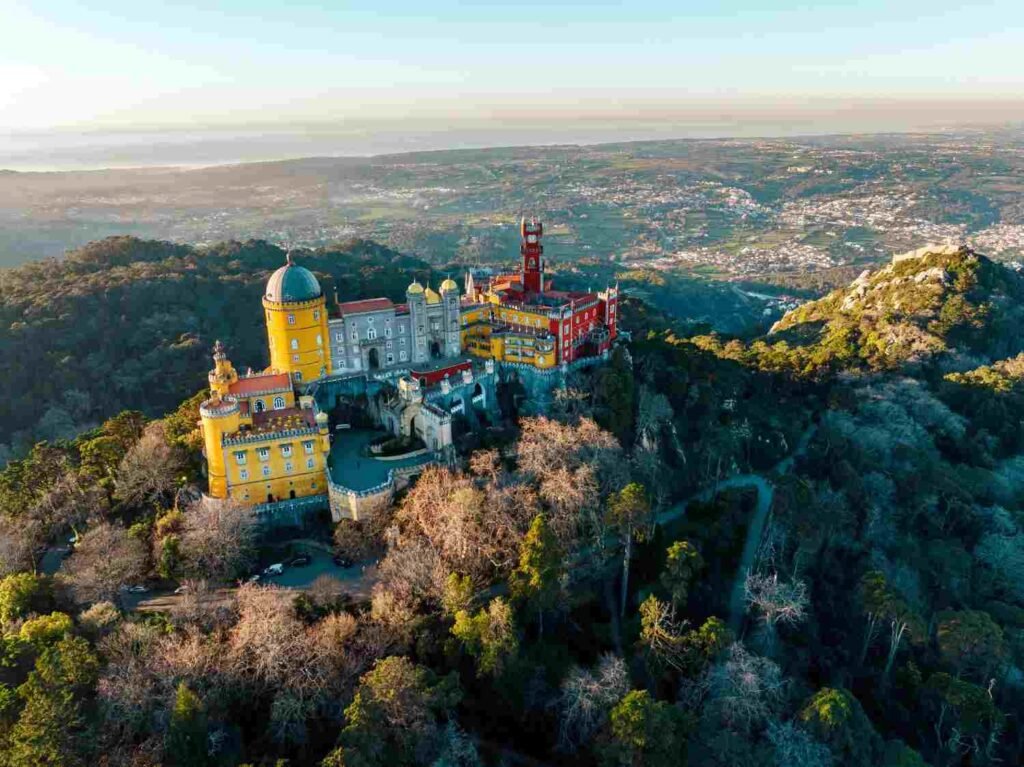
If you love castles, gardens, and unusual architecture, Sintra deserves a place near the top of your list. This picturesque town sits among forested hills outside Lisbon and is famous for its colourful Pena Palace, historic estates, and romantic atmosphere.
Visit Pena Palace for its bright colours and hilltop views, then consider Quinta da Regaleira, known for its gardens, mysterious tunnels, and famous Initiation Well.
Best for: Couples, photographers, architecture lovers, and day trips.
Travel tip: Popular attractions can get crowded. Book timed-entry tickets in advance and avoid trying to fit too many palaces into one day.
4. The Algarve — Golden Beaches and Dramatic Cliffs
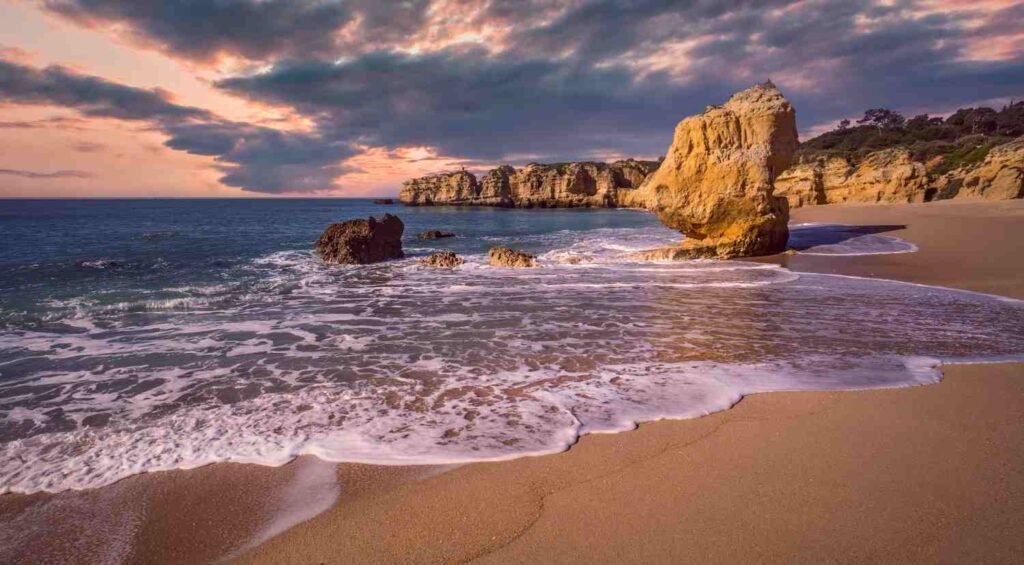
The Algarve, in southern Portugal, is one of the country’s best-known coastal regions. Its scenery includes golden cliffs, turquoise water, sandy beaches, sea caves, and small fishing towns.
Lagos makes a useful base for exploring coastal viewpoints and beaches such as Praia do Camilo. The Benagil area is also famous for its coastal rock formations and sea cave scenery.
Best for: Beach holidays, families, coastal walks, and summer vacations.
Travel tip: Summer is popular, and accommodation can book up quickly. Visit in late spring or early fall for a quieter atmosphere, while remembering that Atlantic water can feel cool.
5. Madeira — Mountains, Gardens, and Ocean Views
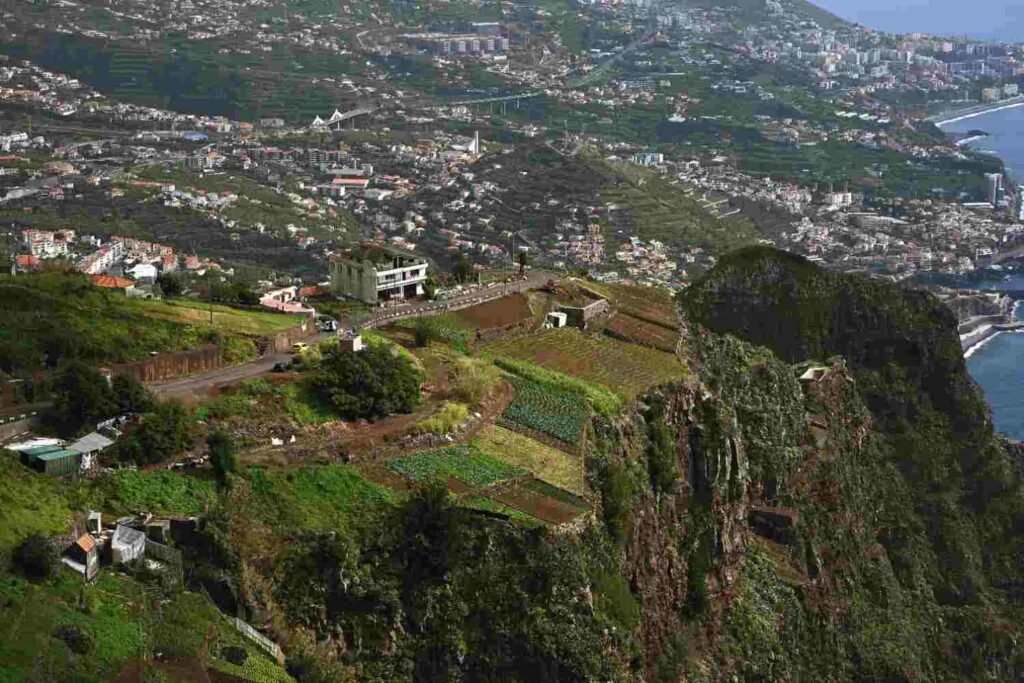
Madeira is an Atlantic island known for its lush landscapes, dramatic cliffs, botanical gardens, and walking routes. It is a great choice if you’d rather combine scenic nature with a comfortable base than spend your entire vacation at the beach.
Explore Funchal’s old town and gardens, take in the views from Cabo Girão, or plan a walk along one of the island’s levadas—traditional water channels with paths beside them.
Best for: Nature lovers, hikers, photographers, and outdoor adventures.
Travel tip: Weather can vary between the coast and mountains. Check local conditions before setting out on a long hike.
6. The Douro Valley — Vineyards Along the River
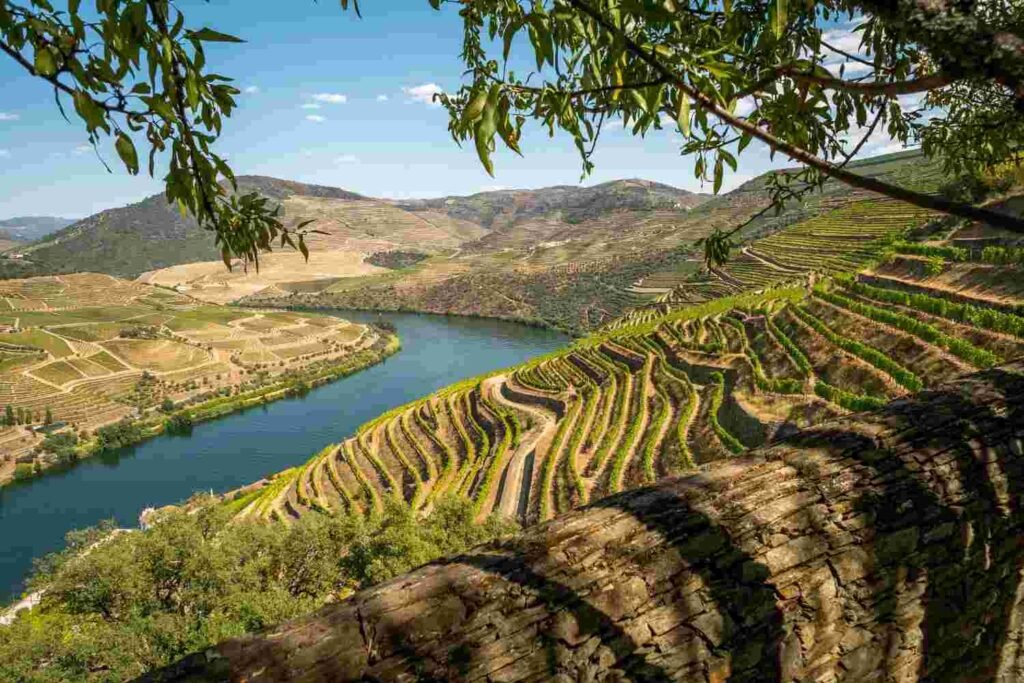
The Douro Valley is famous for terraced vineyards that rise above the winding Douro River. It’s one of Portugal’s most scenic regions, particularly for travellers who enjoy countryside drives, wine estates, and relaxed afternoons overlooking the water.
Consider a river cruise, a visit to a vineyard estate, or a scenic train journey through the valley. The town of Pinhão is a useful base for exploring the surrounding wine country.
Best for: Couples, wine enthusiasts, landscape photography, and slow travel.
Travel tip: Stay overnight if your schedule allows. A night in the valley gives you more time to enjoy the scenery without squeezing everything into a day trip.
7. The Azores — Volcanic Lakes and Wild Nature
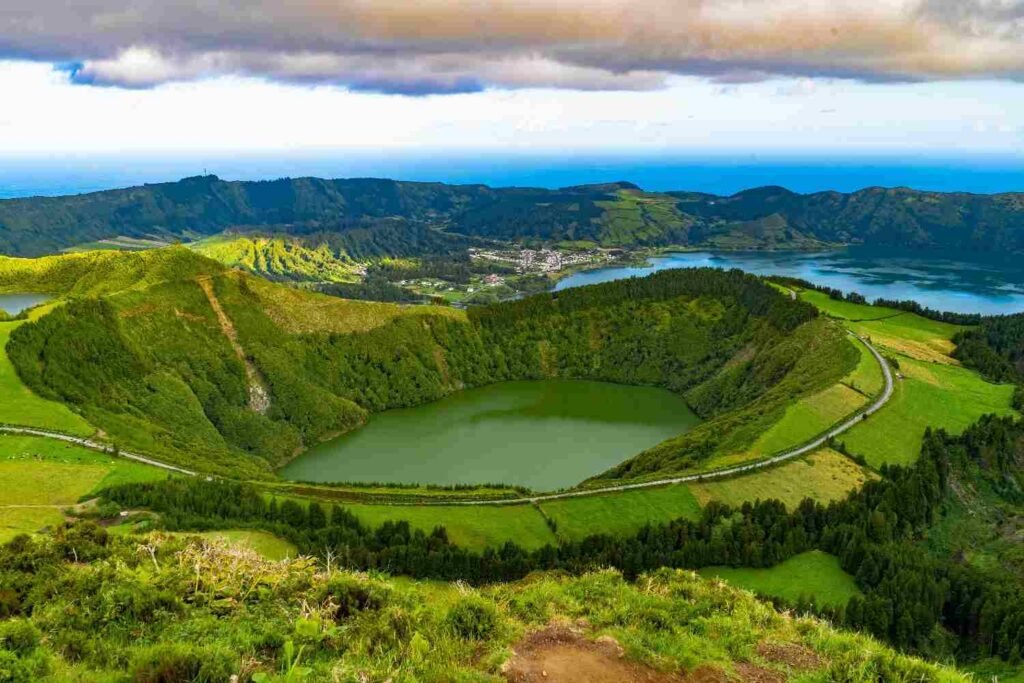
The Azores are a group of nine volcanic islands in the Atlantic Ocean. São Miguel is often the easiest starting point for a first visit, with green hills, crater lakes, coastal viewpoints, and geothermal areas.
Sete Cidades is famous for its lakes and panoramic viewpoints, while Furnas is known for geothermal activity and hot springs. Each island has a different character, so choose your base according to the landscapes and activities you want.
Best for: Hiking, nature, volcanic scenery, and outdoor exploration.
Travel tip: Allow several days for an island rather than trying to visit multiple islands in a short trip. Weather can change quickly, so keep your plans flexible.
8. Évora — History in the Alentejo
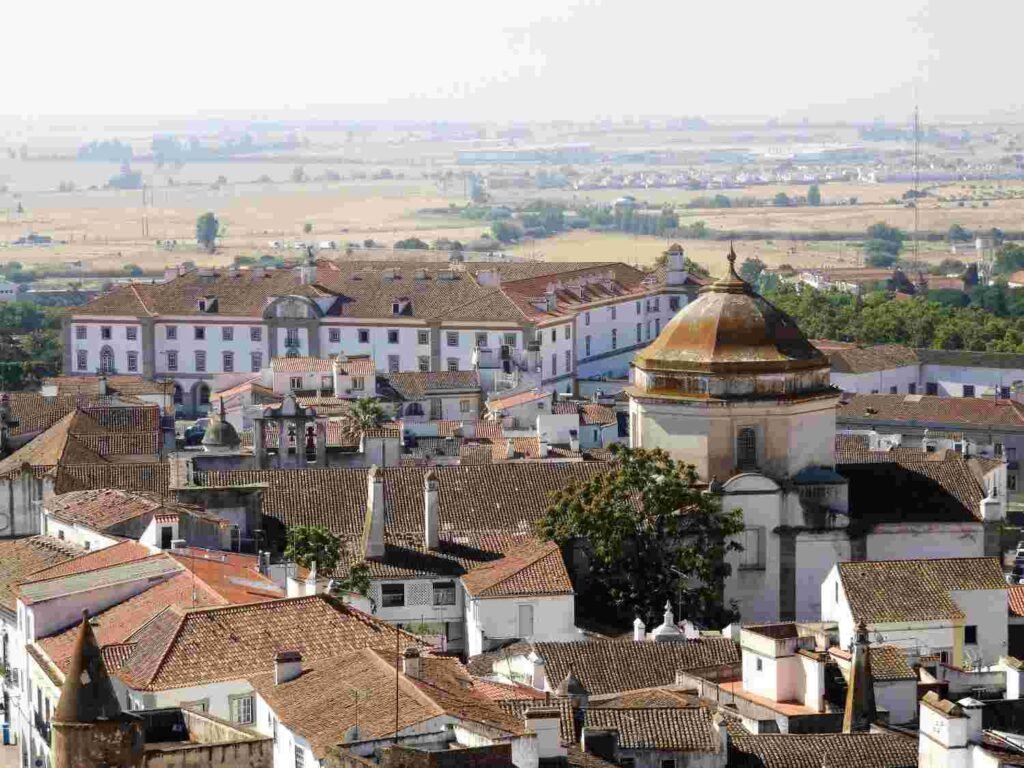
Évora is a historic city in Portugal’s Alentejo region, known for its preserved old centre, whitewashed buildings, and Roman Temple. It offers a different atmosphere from the country’s coastal cities, with quieter streets and a strong connection to regional food and wine.
Walk through the historic centre, visit the cathedral, and explore the town’s squares and narrow lanes. Évora also works well as a starting point for discovering the surrounding countryside.
Best for: History, architecture, regional cuisine, and cultural trips.
Travel tip: Summer afternoons in the Alentejo can be very hot. Plan outdoor sightseeing for the morning or later in the day.
9. Coimbra — A City of Books and Traditions
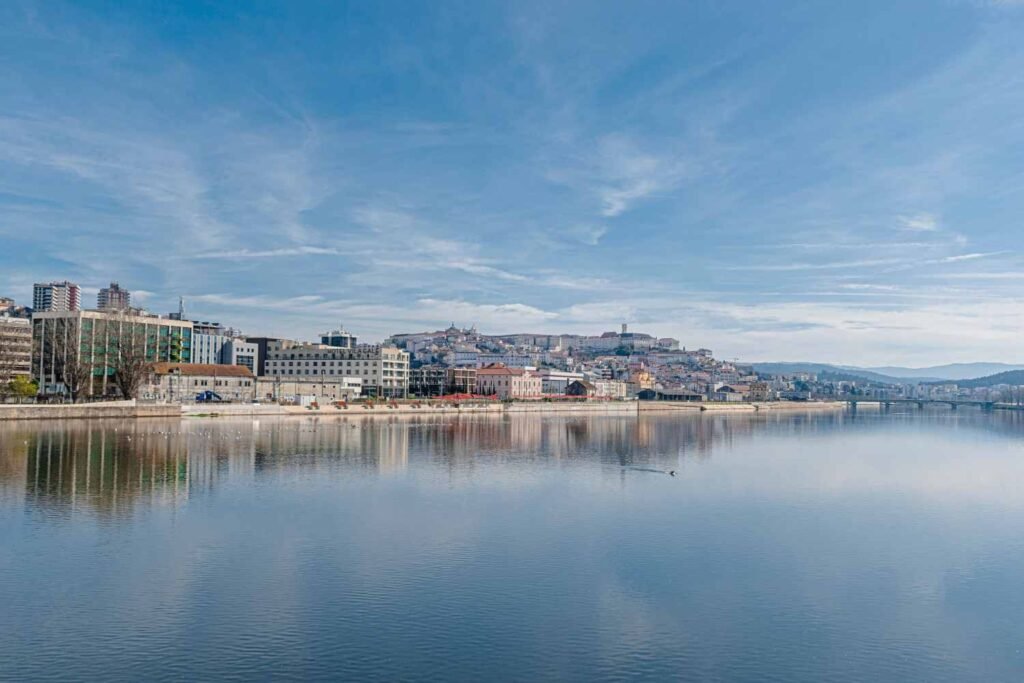
Coimbra is famous for its historic university, which has shaped the city’s identity for centuries. The old university quarter sits above the Mondego River and offers a mix of grand buildings, narrow streets, and traditional student culture.
Visit the University of Coimbra’s historic spaces if tickets and access are available, then explore the old town on foot. It’s a rewarding stop between Lisbon and Porto.
Best for: History, universities, architecture, and cultural travel.
Travel tip: The historic centre has steep streets, so leave time for walking and occasional breaks.
10. Óbidos — A Charming Medieval Town
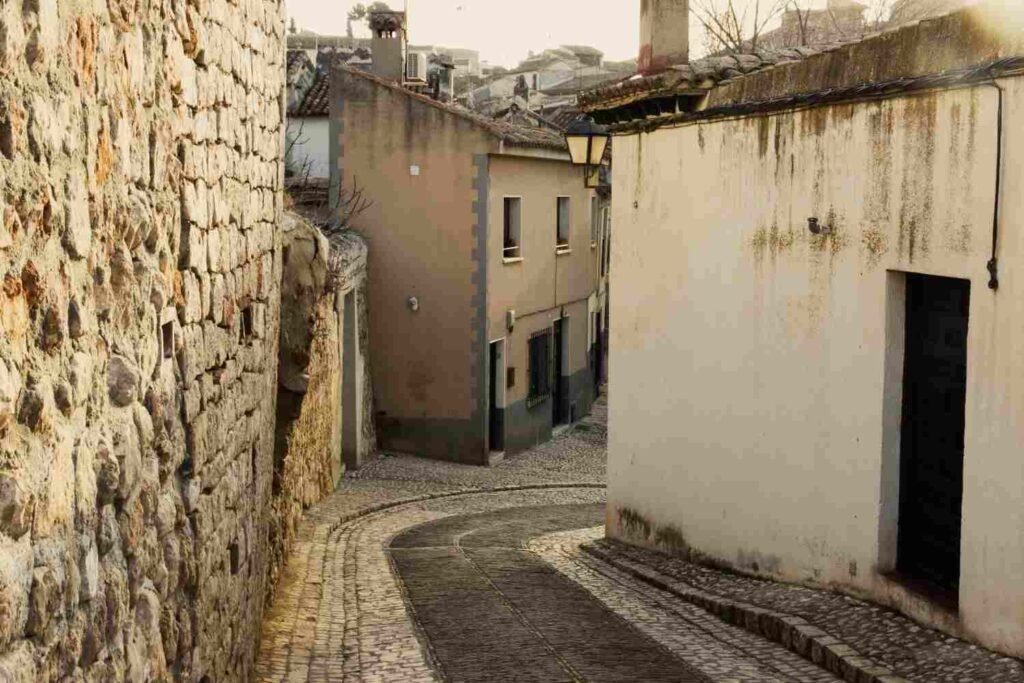
Óbidos is a small walled town with whitewashed houses, flower-filled streets, and red-tiled rooftops. Its compact historic centre makes it easy to explore on foot, and the medieval walls offer memorable views over the surrounding countryside.
Browse the local shops, wander the lanes, and take time to enjoy the town beyond its main entrance street.
Best for: Short getaways, photography, history, and charming small towns.
Travel tip: Visit early or later in the afternoon if you prefer a calmer experience, as day-trip crowds can build up during the middle of the day.
11. Aveiro — Canals and Art Nouveau Architecture
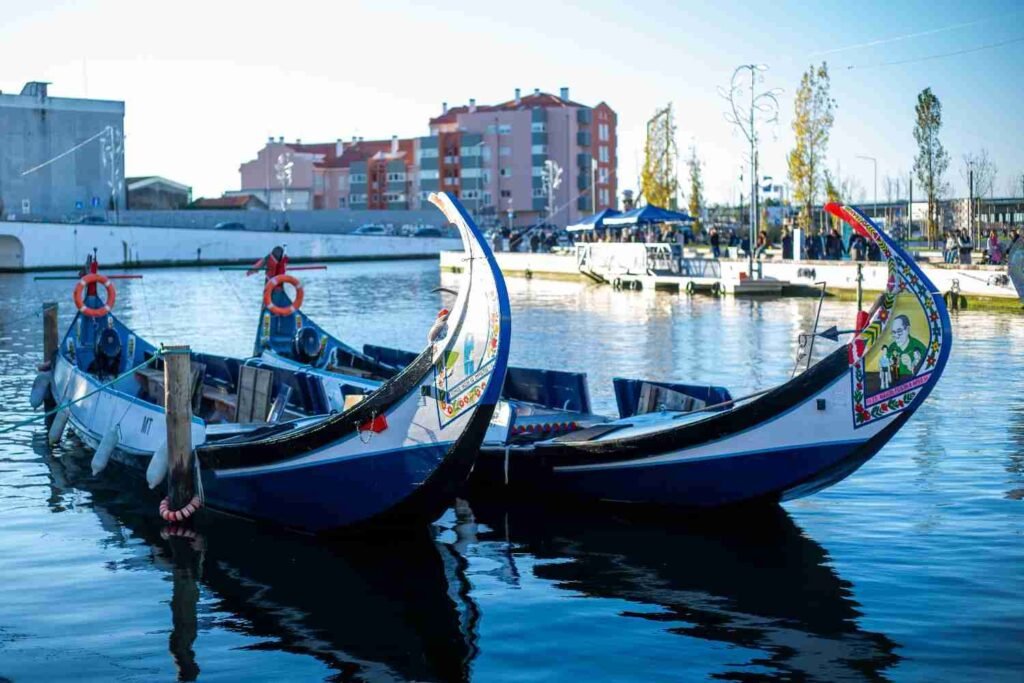
Aveiro is often nicknamed the “Venice of Portugal” because of its canals and colourful moliceiro boats. Although it has a character of its own, the waterways make it a pleasant place for a relaxed day of sightseeing.
Admire the Art Nouveau buildings, take a canal ride, and try ovos moles, a local sweet associated with the city. Nearby Costa Nova is known for its striped seaside houses.
Best for: Easy day trips, architecture, food, and coastal scenery.
Travel tip: Pair Aveiro with Costa Nova if you have extra time and want to see the coast.
12. Cascais — A Relaxed Coastal Escape
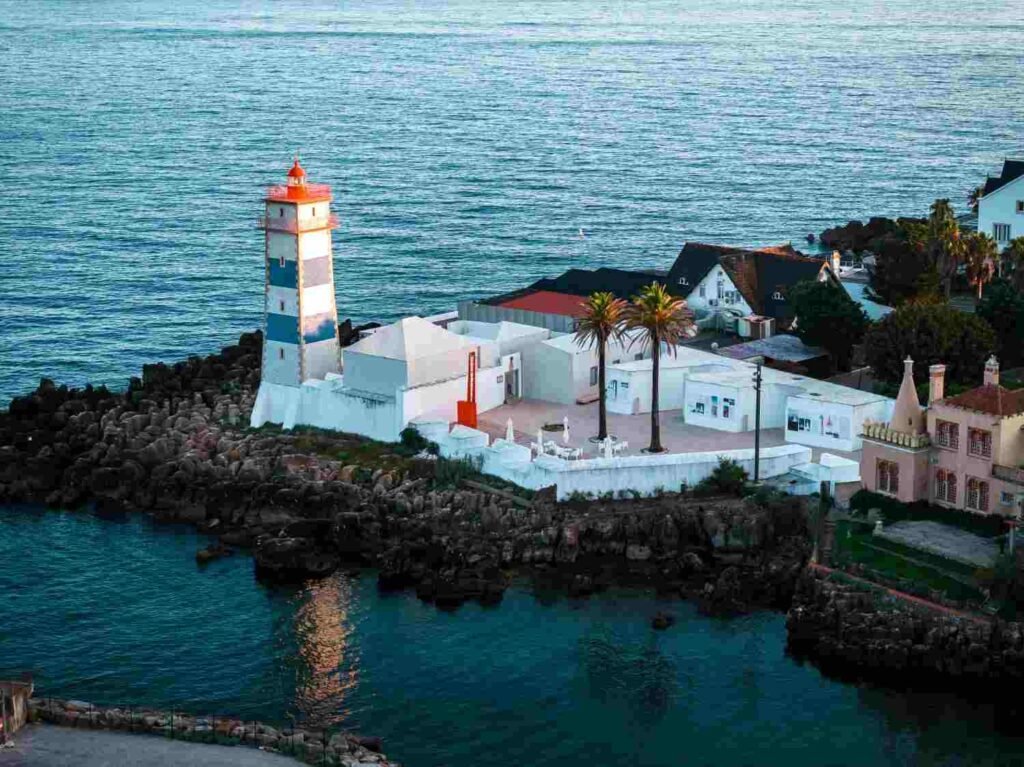
Cascais is a seaside town west of Lisbon, with sandy beaches, a walkable centre, cafés, and a marina. It works well as a slower-paced break after a few busy days in the capital.
Spend time by the water, explore the historic centre, or walk and cycle along sections of the coast. The nearby Boca do Inferno cliffs are another popular stop.
Best for: Beach days, couples, families, and easy day trips.
Travel tip: Cascais is accessible by train from Lisbon, making it convenient if you don’t want to rent a car.
13. Nazaré — Big Waves and Atlantic Views
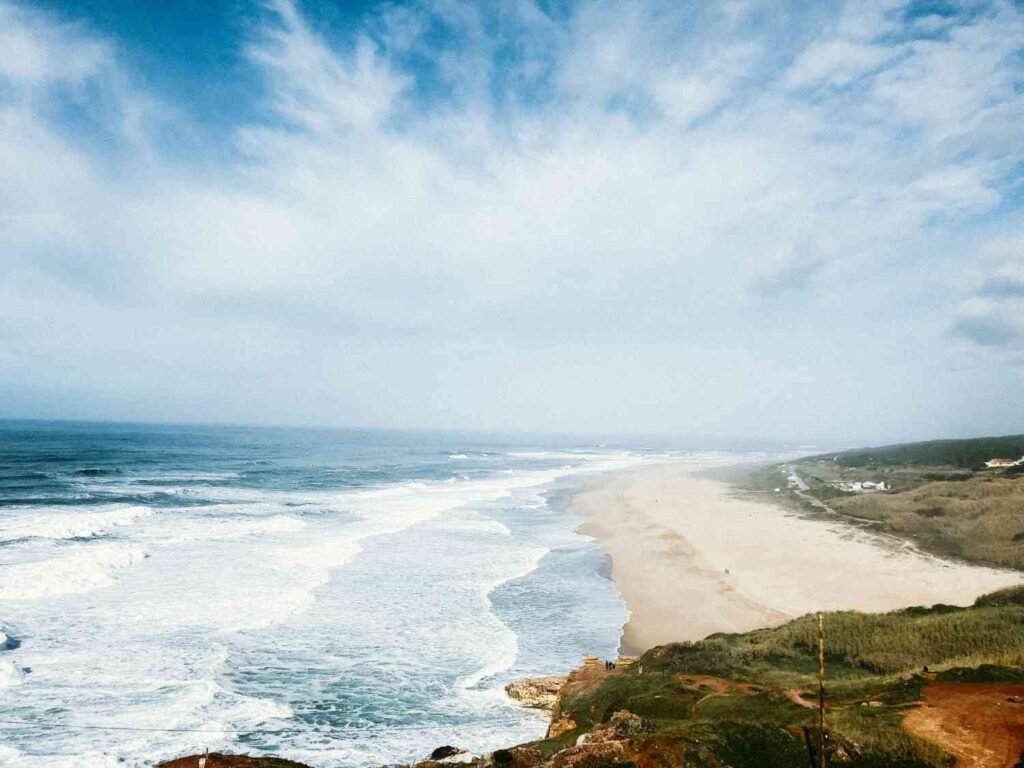
Nazaré is a traditional coastal town that has become internationally known for its giant waves at Praia do Norte. The waves are seasonal, and conditions vary, so dramatic surf is never guaranteed on a particular day.
Ride up to the Sítio viewpoint for wide ocean views, explore the town, and enjoy fresh seafood. Even when the waves are small, the coastal scenery makes Nazaré worth considering.
Best for: Ocean views, surfing culture, photography, and coastal road trips.
Travel tip: If you’re hoping to see giant waves, check local surf forecasts and safety information before visiting.
14. Guimarães — A Birthplace of Portuguese History
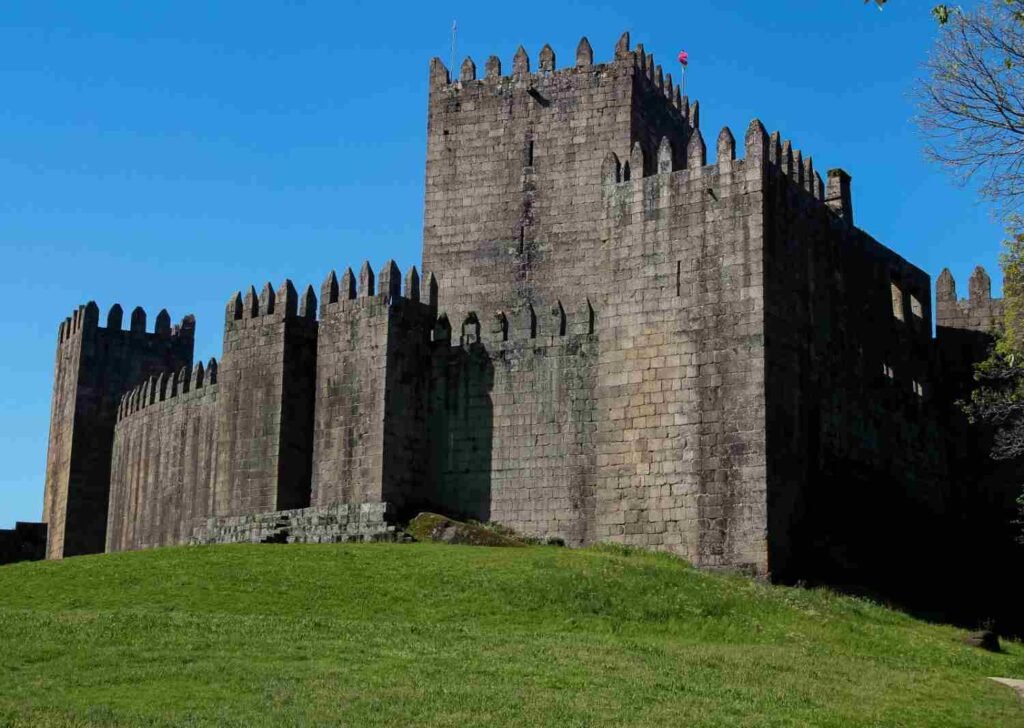
Guimarães is a historic northern city with a medieval centre, a castle, and the Palace of the Dukes of Braganza. It is closely connected with the early history of Portugal and makes an interesting addition to a Porto-based itinerary.
Explore the old streets and squares, visit the castle area, and enjoy the city’s relaxed pace. Its historic centre is especially rewarding for travellers who enjoy architecture and cultural heritage.
Best for: History, medieval architecture, and cultural day trips.
Travel tip: Guimarães can be visited from Porto, but staying longer gives you more time to enjoy the old town after day visitors leave.
15. Ponta Delgada — A Gateway to São Miguel
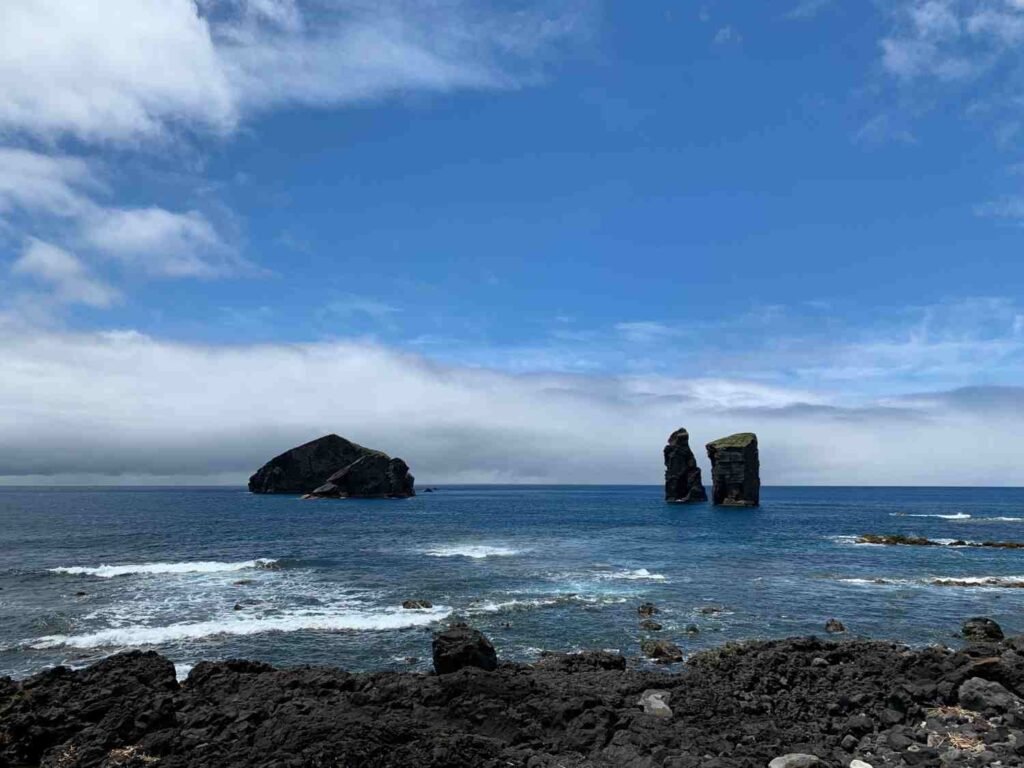
Ponta Delgada is the main city on São Miguel in the Azores and a practical base for exploring the island. Its historic centre has traditional architecture, attractive squares, waterfront walks, and restaurants serving local specialities.
Use the city as a starting point for day trips to Sete Cidades, Furnas, and the island’s coastal viewpoints. Renting a car can make it easier to reach scenic areas outside the city.
Best for: Island exploration, local food, and travellers who want a town base with access to nature.
Travel tip: Plan day trips around the weather. A viewpoint hidden by clouds may be worth revisiting on another day.
How to Choose the Best Portugal Travel Destinations for Your Trip
The best places depend on how much time you have and what kind of vacation you want. Rather than trying to see the entire country in one trip, choose a few destinations that fit together geographically.
- For a first trip: Start with Lisbon, Sintra, and Porto.
- For a beach vacation: Focus on the Algarve and consider Cascais for an easy coastal stop near Lisbon.
- For nature and hiking: Look at Madeira or the Azores.
- For history and culture: Add Évora, Coimbra, Óbidos, or Guimarães.
- For food and wine: Spend time in Porto and the Douro Valley.
Suggested Portugal Itinerary
5 days: Spend three days in Lisbon and use one day for Sintra, leaving another day for a relaxed city visit or Cascais.
7 days: Explore Lisbon and Sintra, then travel north to Porto for two or three days.
10 days: Combine Lisbon, Sintra, Coimbra, Porto, and a Douro Valley visit. If beaches are your priority, consider replacing one stop with the Algarve.
Two weeks: Explore mainland Portugal at a comfortable pace, or combine a mainland route with Madeira or São Miguel. Remember to allow extra time for flights to the islands.
Best Time to Visit Portugal
Spring (March through May) and early fall (September through October) are often appealing times to visit. The weather is generally comfortable for sightseeing, and many places are less crowded than during peak summer.
Summer is a popular season for beach holidays, especially in the Algarve, but coastal towns can be busy, and accommodation prices may be higher. Winter can work well for city breaks, although northern Portugal can be wetter and mountain weather can be unpredictable.
Madeira and the Azores have their own local weather patterns, so check conditions for the specific island and activities you plan to enjoy.
Practical Tips for Planning a Portugal Trip
- Don’t overpack your itinerary. Travel between regions takes time, and a few well-chosen bases are often more enjoyable than changing hotels every night.
- Use trains between major cities. Rail travel can be convenient for routes such as Lisbon–Coimbra–Porto, but some countryside destinations are easier to reach by car.
- Book popular attractions early. Timed-entry tickets can be useful for places such as Pena Palace during busy periods.
- Bring comfortable shoes. Historic centres often have hills and cobblestones.
- Check island transport. Flights and ferries can affect how much you can realistically see in the Azores or Madeira.
- Respect the ocean. Atlantic beaches can have strong currents and powerful waves, even when the weather looks pleasant.
Final Thoughts
Portugal offers far more than one type of vacation. You can explore Lisbon’s historic neighbourhoods, discover Porto’s riverside charm, spend a day among Sintra’s palaces, or escape to the beaches of the Algarve. If you prefer dramatic landscapes, Madeira and the Azores bring a completely different side of Portugal into the picture.
The best Portugal travel destinations are the ones that fit your pace, interests, and travel dates. Pick a few favourites, leave room for unexpected discoveries, and plan enough time to enjoy each place rather than rushing through a checklist.
Save this guide for your next European adventure, and use it to start building a Portugal itinerary that feels right for you.
Frequently Asked Questions
What are the best Portugal travel destinations for first-time visitors?
Lisbon, Porto, and Sintra are excellent choices for a first visit because they combine historic attractions, local food, architecture, and easy transport connections. If you have more time, consider adding the Algarve or Douro Valley.
How many days do you need to visit Portugal?
Five to seven days can work for Lisbon, Sintra, and Porto. Ten days gives you more flexibility to add central Portugal or the Douro Valley. Two weeks allows a more relaxed mainland route or a combination with one island destination.
Is Portugal good for a beach vacation?
Yes. The Algarve is especially popular for sandy beaches, cliffs, and coastal scenery. Cascais and other coastal towns near Lisbon are convenient alternatives for shorter beach breaks.
What is the best month to visit Portugal?
April, May, September, and October are often good choices for comfortable sightseeing. The best month depends on whether you prefer city exploring, beach weather, hiking, or island travel.
Can you visit Portugal without renting a car?
Yes. Lisbon, Porto, Sintra, Coimbra, and Cascais can be explored using public transport. A car is more useful for remote villages, parts of the Alentejo, and some countryside or coastal routes.
Are Madeira and the Azores part of Portugal?
Yes. Madeira and the Azores are autonomous regions of Portugal in the Atlantic Ocean. Both are known for distinctive landscapes and outdoor activities, but they require additional travel planning from the mainland.