

Portugal is a wonderful destination for first-time travellers, offering historic cities, colourful seaside towns, golden beaches, fairytale palaces, and beautiful countryside. Whether you’re dreaming of exploring charming European streets, relaxing beside the Atlantic Ocean, or tasting delicious Portuguese food, this country has something special for every kind of traveller.
If you’re planning your first trip, choosing where to go can feel overwhelming. There are so many beautiful places to discover, and each region offers a different experience.
In this guide, we’ll explore 12 of the most beautiful Portugal travel destinations for first-time visitors, including what makes each place special, what to see, and helpful tips to make your first Portugal vacation memorable.
Table of Contents
- Lisbon: Portugal’s Vibrant Capital
- Porto: Colourful Streets and Riverside Views
- Sintra: Fairytale Palaces and Gardens
- The Algarve: Stunning Beaches and Coastal Cliffs
- Cascais: A Charming Seaside Escape
- Évora: History and Culture in Alentejo
- Coimbra: A Historic University City
- Óbidos: A Beautiful Medieval Town
- Braga: Historic Churches and Gardens
- Guimarães: A Journey into Portugal’s History
- Douro Valley: Vineyards and Scenic Landscapes
- Nazaré: Coastal Charm and Giant Waves
- How to Choose the Best Portugal Destination
- Best Time to Visit Portugal
- Practical Travel Tips for First-Time Visitors
- Frequently Asked Questions
- Final Thoughts
1. Lisbon: Portugal’s Vibrant Capital

Lisbon is an excellent starting point for your first Portugal trip. The capital combines historic neighbourhoods, beautiful viewpoints, traditional architecture, lively markets, and a food scene that makes exploring the city an experience in itself.
One of Lisbon’s most charming areas is Alfama, where narrow streets wind past colourful buildings, small cafés, and traditional restaurants. You can also ride a historic yellow tram, explore the Baixa district, or visit Belém to see famous landmarks and sample the city’s beloved custard tarts.
For panoramic views, look for the city’s miradouros, or viewpoints, where you can admire red rooftops and the Tagus River.
Top things to do in Lisbon:
- Explore the historic Alfama neighbourhood.
- Visit Belém Tower and the Jerónimos Monastery area.
- Ride a traditional tram through the city.
- Enjoy Portuguese pastries and local cuisine.
- Watch the sunset from a scenic viewpoint.
Travel tip: Lisbon’s streets can be steep and slippery, especially in older neighbourhoods. Wear comfortable walking shoes and allow time to explore without rushing.
Lisbon is also a useful base for day trips to nearby destinations such as Sintra and Cascais.
2. Porto: Colourful Streets and Riverside Views
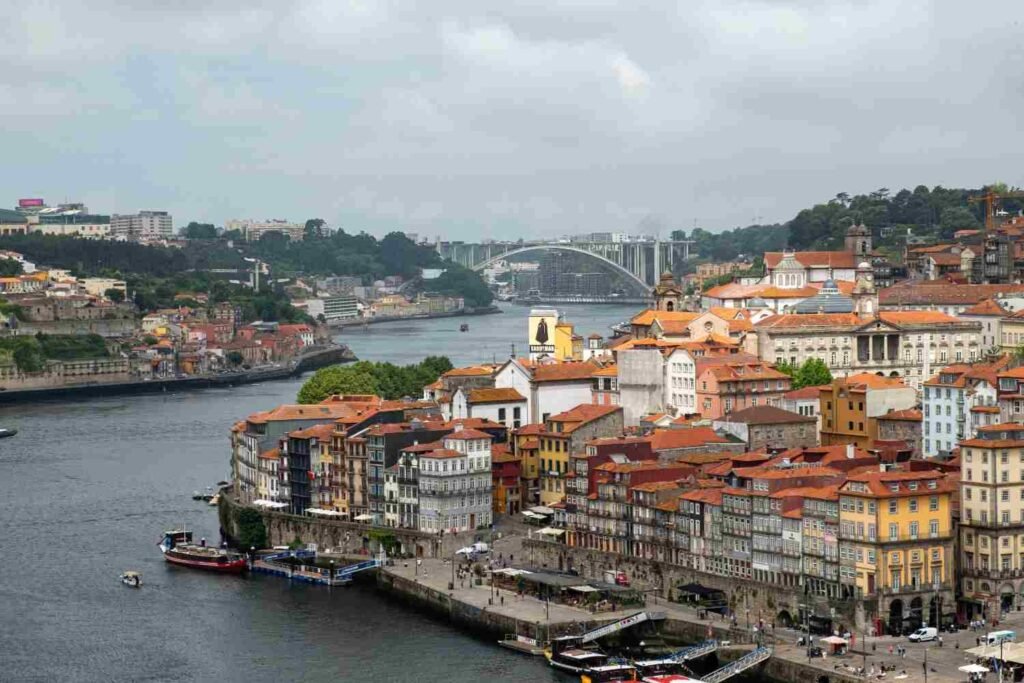
Porto is one of Portugal’s most picturesque cities, famous for its colourful riverside buildings, historic streets, striking bridges, and connection to Port wine.
The Ribeira district is a wonderful place to begin exploring. Its narrow streets lead toward the Douro River, where you can enjoy waterfront cafés and views of the Dom Luís I Bridge. Across the river in Vila Nova de Gaia, traditional wine cellars offer opportunities to learn about Port wine production and sample local varieties.
Porto also rewards travellers who enjoy architecture and food. Visit São Bento railway station to admire its decorative tile panels, explore the city’s historic centre, and try local specialities.
Top things to do in Porto:
- Walk along the Ribeira waterfront.
- Admire the Dom Luís I Bridge.
- Visit São Bento railway station.
- Explore the historic city centre.
- Take a Douro River cruise or visit a wine cellar.
Travel tip: Porto has plenty of hills and cobblestone streets. Plan your sightseeing by neighbourhood to avoid unnecessary uphill walks.
For first-time visitors, Porto pairs well with Lisbon because the two cities offer different perspectives on Portuguese culture and architecture.
3. Sintra: Fairytale Palaces and Gardens
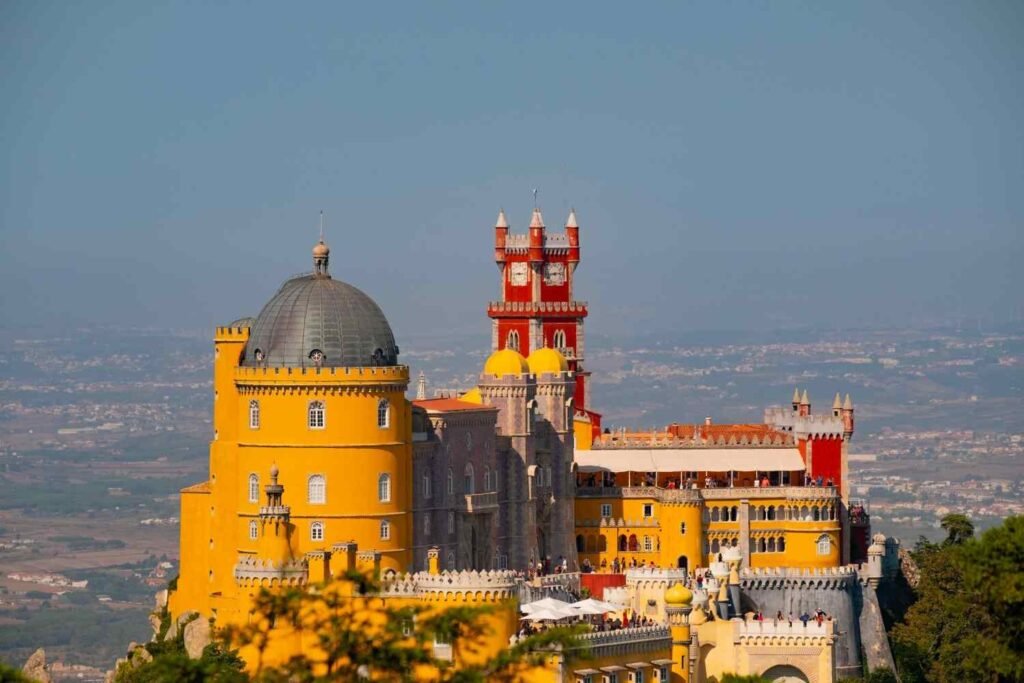
Sintra feels like stepping into a fairytale. Located among green hills near Lisbon, this beautiful town is known for its romantic palaces, lush gardens, historic estates, and misty mountain scenery.
The colourful Pena Palace is one of Sintra’s most recognisable attractions. Its bright exterior and hilltop location make it a favourite for photographers. The historic centre is also worth exploring, with small shops, cafés, and traditional Portuguese sweets.
If you enjoy architecture and gardens, consider visiting Quinta da Regaleira, famous for its decorative buildings, landscaped grounds, and intriguing Initiation Well.
Top things to do in Sintra:
- Visit Pena Palace.
- Explore Quinta da Regaleira.
- Wander through Sintra’s historic centre.
- Sample local pastries such as travesseiros.
- Enjoy the surrounding hills and gardens.
Travel tip: Sintra is a popular day trip, so book timed-entry attractions in advance when required. Give yourself a full day if you want to explore more than one major palace.
Sintra is especially appealing to first-time travellers who love history, romantic scenery, and memorable photo opportunities.
4. The Algarve: Stunning Beaches and Coastal Cliffs
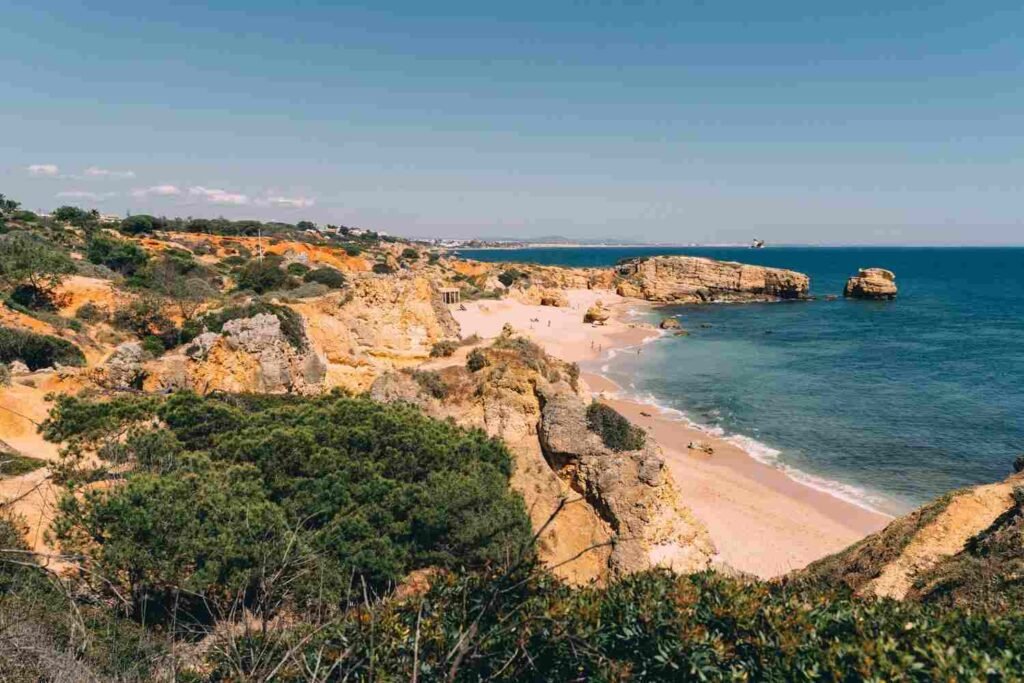
The Algarve, in southern Portugal, is famous for its golden beaches, dramatic limestone cliffs, turquoise water, and charming coastal towns. It is one of the country’s most appealing regions for travellers who want to combine sightseeing with time by the ocean.
Praia da Marinha is known for its striking rock formations, while Praia da Falésia offers a long sandy shoreline beneath colourful cliffs. Around Lagos, beaches such as Praia Dona Ana and Praia do Camilo provide beautiful coastal scenery.
The Algarve also has more to offer than beaches. You can explore historic centres, enjoy seafood restaurants, visit local markets, or take an authorised boat trip when weather and sea conditions allow.
Top things to do in the Algarve:
- Admire the cliffs at Praia da Marinha.
- Walk along Praia da Falésia.
- Explore the coastal scenery near Lagos.
- Enjoy fresh seafood in a seaside town.
- Take a boat tour with a reputable local operator.
Travel tip: The Algarve covers a large area. Choose a convenient base, such as Lagos or another coastal town, instead of trying to visit every beach in a single day.
If beaches are a priority, you may also enjoy our guide to Portugal travel destinations and beautiful places to visit.
5. Cascais: A Charming Seaside Escape
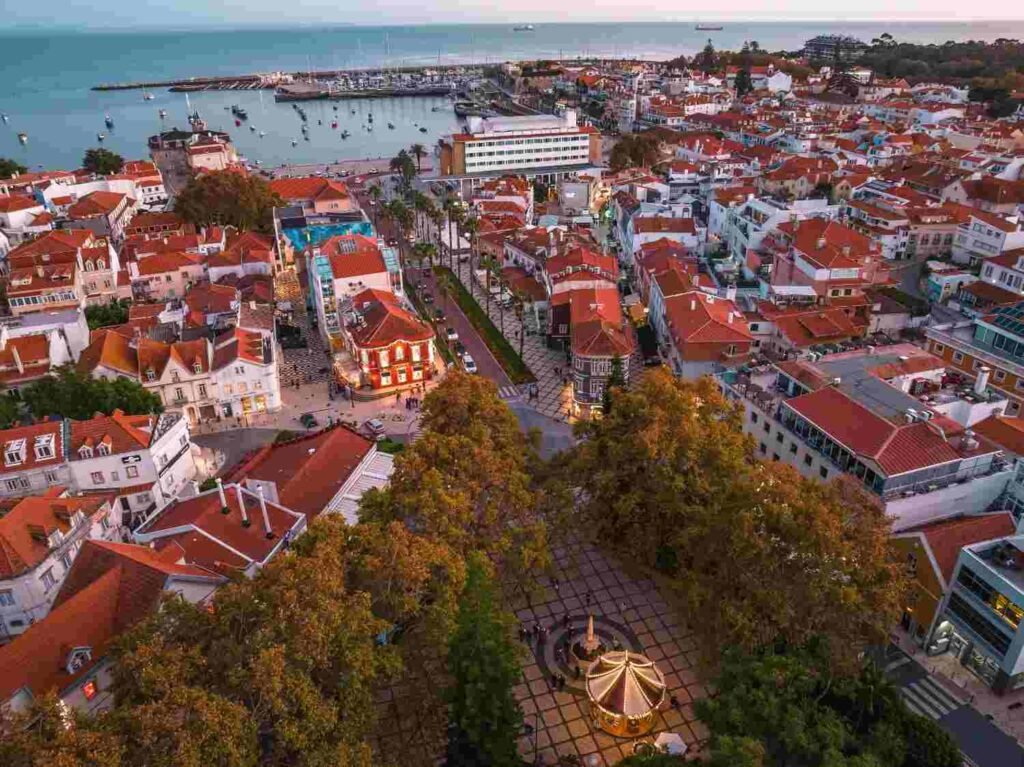
Cascais is a coastal town west of Lisbon that offers sandy beaches, a pleasant waterfront, historic streets, and a relaxed atmosphere. It is an appealing choice for travellers who want to enjoy the seaside without travelling far from the capital.
You can spend the morning exploring the town centre, enjoy lunch at a local restaurant, and then head to the coast for ocean views. Nearby, Boca do Inferno is a dramatic rock formation where waves crash against the cliffs.
Cascais also works well as a day trip, making it easy to include in a first Portugal itinerary without changing hotels.
Top things to do in Cascais:
- Explore the historic town centre.
- Relax on a local sandy beach.
- Visit Boca do Inferno.
- Walk along the waterfront.
- Enjoy seafood and Portuguese cafés.
Travel tip: You can generally reach Cascais from Lisbon by suburban train, making it a convenient option for travellers who prefer not to rent a car.
Choose Cascais if you want a mix of coastal scenery, cafés, and an easygoing seaside atmosphere.
6. Évora: History and Culture in Alentejo

Évora offers a different side of Portugal. Located in the Alentejo region, this historic city is known for its whitewashed buildings, traditional streets, and impressive heritage sites.
The Roman Temple of Évora is one of the city’s best-known landmarks. You can also explore the central square, visit historic churches, and enjoy the peaceful atmosphere of the old town.
Évora is a good destination for travellers interested in history, architecture, and regional food. The surrounding Alentejo countryside is known for olive groves, vineyards, and traditional Portuguese cuisine.
Top things to do in Évora:
- Visit the Roman Temple.
- Walk through the historic centre.
- Explore the city’s churches and heritage sites.
- Try regional Alentejo dishes.
- Discover nearby countryside and vineyards.
Travel tip: Évora is a good stop for travellers who have more than a few days in Portugal. Consider spending at least one night to enjoy the city after day-trip crowds have left.
For first-time visitors, Évora provides a memorable contrast to the coastal scenery and busy streets of Lisbon and Porto.
7. Coimbra: A Historic University City
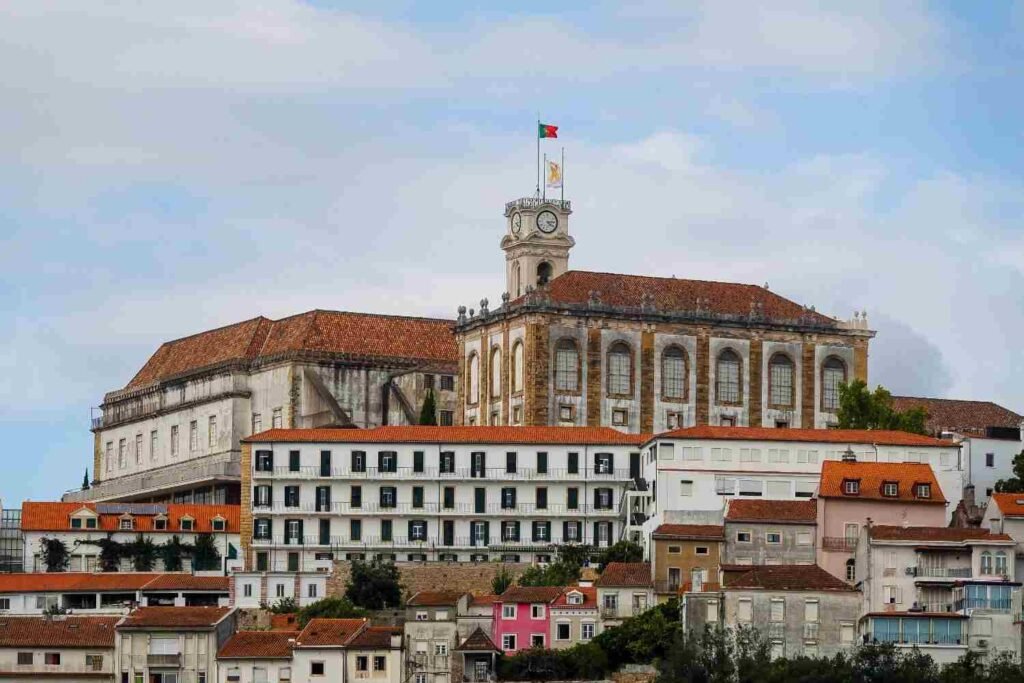
Coimbra is a historic city in central Portugal, best known for its long academic traditions and beautiful old town. It is an appealing stop for travellers who want to explore Portuguese history beyond the country’s most famous tourist centres.
The University of Coimbra is the main highlight. Its historic buildings and university quarter overlook the city and the Mondego River. Visitors can explore the old streets, discover historic churches, and enjoy the atmosphere created by students and residents.
Coimbra is also associated with traditional Portuguese student music and fado, giving it a distinct cultural identity.
Top things to do in Coimbra:
- Explore the historic University of Coimbra.
- Visit the university’s famous Joanina Library if tickets are available.
- Walk through the old town.
- Enjoy views over the Mondego River.
- Discover local food and traditional music.
Travel tip: The historic centre has steep streets and steps. Wear comfortable footwear and check attraction opening times before your visit.
Coimbra is a worthwhile addition to a Lisbon-to-Porto journey, especially if you enjoy culture and historic architecture.
8. Óbidos: A Beautiful Medieval Town

Óbidos is a charming medieval town surrounded by historic walls. Its narrow cobblestone streets, whitewashed houses, flower-filled details, and traditional shops make it one of the most photogenic small towns in Portugal.
Walking through the old town is one of the best ways to experience Óbidos. You can browse local shops, admire the architecture, and enjoy the atmosphere of its historic lanes. The town is also known for ginjinha, a cherry liqueur traditionally served in a small chocolate cup.
Óbidos is particularly appealing to travellers who want a slower pace after exploring larger cities.
Top things to do in Óbidos:
- Walk through the medieval streets.
- Admire the traditional whitewashed houses.
- Browse local craft shops.
- Try the local ginjinha tradition.
- Explore the historic walls from suitable public access points.
Travel tip: The town can be busy during the day. Arriving early or staying overnight can give you more time to enjoy its quieter atmosphere.
If your itinerary includes both Lisbon and Porto, Óbidos can be a memorable stop in central Portugal.
9. Braga: Historic Churches and Gardens

Braga is one of northern Portugal’s oldest cities, known for its religious heritage, historic architecture, lively streets, and green spaces. It is a great choice for visitors who want to explore northern Portugal beyond Porto.
One of the city’s most famous landmarks is the Sanctuary of Bom Jesus do Monte, celebrated for its monumental staircase and hilltop setting. The historic centre also features churches, plazas, cafés, and traditional shops.
Braga has a lively atmosphere thanks to its student population, while its historic landmarks make it an interesting destination for architecture and culture lovers.
Top things to do in Braga:
- Visit the Sanctuary of Bom Jesus do Monte.
- Explore the historic centre.
- Discover Braga Cathedral.
- Relax in the city’s gardens and plazas.
- Try traditional northern Portuguese food.
Travel tip: Braga can be visited as a day trip from Porto, but staying overnight gives you more time to explore at a comfortable pace.
Include Braga if you want to see more of northern Portugal’s history and everyday culture.
10. Guimarães: A Journey into Portugal’s History
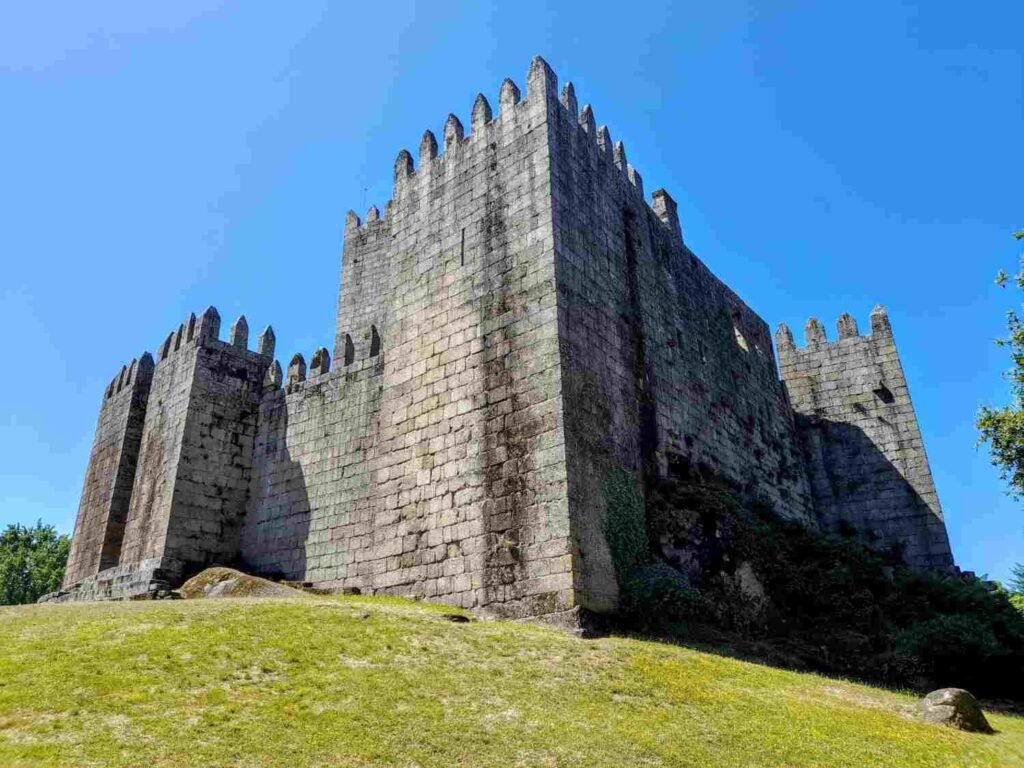
Guimarães is often associated with the early history of Portugal and is known for its beautifully preserved medieval centre. Its historic streets, traditional squares, and castle make it an excellent destination for travellers who enjoy heritage and architecture.
The town’s historic centre is a lovely place to explore on foot. You can admire traditional buildings, stop at cafés, and discover landmarks connected to Portugal’s early history. Guimarães Castle and the nearby Palace of the Dukes of Braganza are among the most notable attractions.
The town has a welcoming atmosphere that makes it easy to enjoy without rushing from one attraction to another.
Top things to do in Guimarães:
- Visit Guimarães Castle.
- Explore the Palace of the Dukes of Braganza.
- Wander through the historic centre.
- Enjoy a meal in a traditional restaurant.
- Discover the town’s historic squares.
Travel tip: Guimarães can be combined with Braga on a longer day trip from Porto, although visiting both at a relaxed pace may require an early start.
For first-time travellers, Guimarães offers a deeper look at Portugal’s historic roots.
11. Douro Valley: Vineyards and Scenic Landscapes
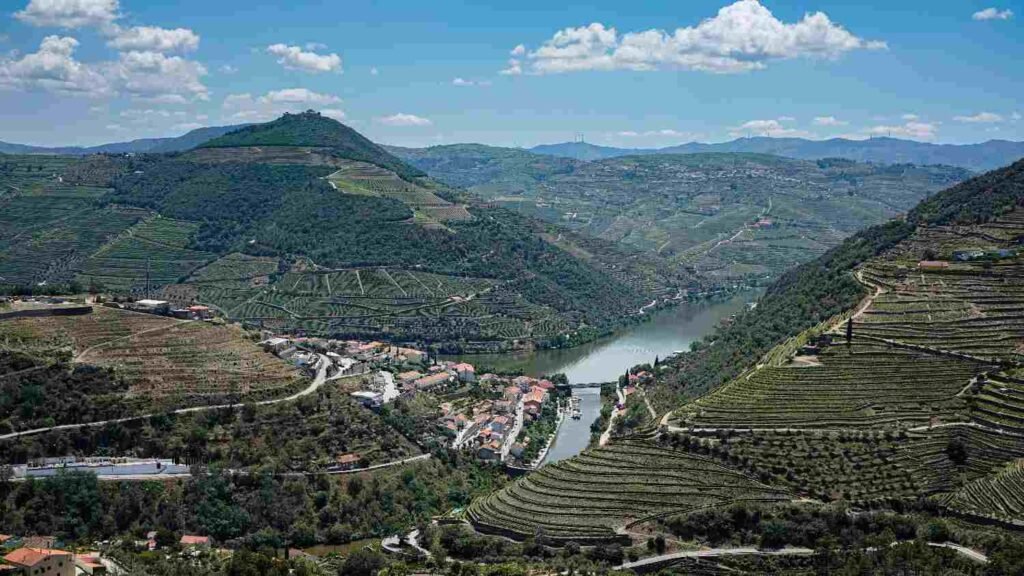
The Douro Valley is one of Portugal’s most beautiful countryside destinations. Its rolling hills, terraced vineyards, winding river, and historic wine estates create a landscape that feels very different from the country’s cities and beaches.
The region is especially famous for wine production, including Port wine. Visitors can explore vineyard estates, enjoy regional meals, take a scenic drive, or arrange a river cruise to admire the valley from the water.
Pinhão is a popular base for exploring the area, while viewpoints along the valley provide memorable photo opportunities.
Top things to do in the Douro Valley:
- Admire the terraced vineyards.
- Visit a winery or vineyard estate.
- Take a Douro River cruise.
- Explore Pinhão and the surrounding countryside.
- Enjoy regional food and scenic viewpoints.
Travel tip: A guided tour or organised transport can be useful if you plan to visit wineries. If possible, stay overnight so you can enjoy the landscape without rushing back to Porto.
The Douro Valley is an excellent choice for travellers who love scenic drives, countryside experiences, and peaceful surroundings.
12. Nazaré: Coastal Charm and Giant Waves
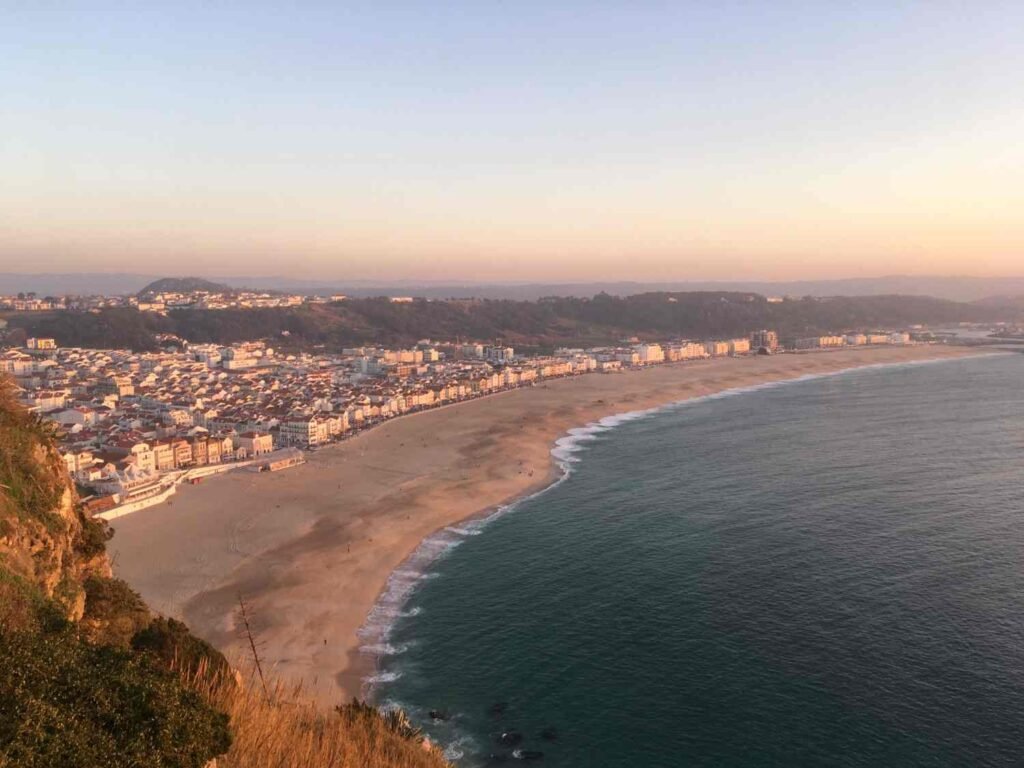
Nazaré is a traditional seaside town on Portugal’s central coast. It is known for its sandy beach, fishing heritage, seafood, and giant waves that attract experienced surfers and spectators from around the world.
The town offers more than its famous surf conditions. You can walk along the beachfront, explore the traditional streets, enjoy fresh seafood, and visit the elevated Sítio area for panoramic coastal views.
During the right season and ocean conditions, Nazaré’s giant waves can be spectacular. However, wave size varies, and the biggest surf events are not guaranteed during a particular visit.
Top things to do in Nazaré:
- Walk along Nazaré Beach.
- Explore the traditional town centre.
- Visit the Sítio viewpoint.
- Try fresh seafood.
- Observe the famous surf area from safe, designated viewpoints.
Travel tip: If you want to see giant waves, research seasonal conditions before your trip. Never approach dangerous surf zones or cliff edges for photographs.
Nazaré is a wonderful choice for travellers who want to combine coastal culture, ocean views, and a distinctive Portuguese seaside experience.
How to Choose the Best Portugal Destination for Your First Trip
The best Portugal travel destinations depend on how much time you have and what you enjoy most.
For first-time city explorers: Start with Lisbon and Porto. Both offer history, food, architecture, and easy opportunities for sightseeing.
For palaces and romantic scenery: Add Sintra to your itinerary. Its palaces and gardens provide a memorable change of pace from the cities.
For beach lovers: Spend time in the Algarve or visit Cascais for a convenient coastal escape from Lisbon.
For history enthusiasts: Consider Évora, Coimbra, Óbidos, Braga, and Guimarães.
For countryside scenery: The Douro Valley is a strong choice for vineyards, river views, and a slower travel experience.
For a traditional seaside atmosphere: Nazaré offers sandy beaches, local culture, and dramatic Atlantic scenery.
You don’t need to visit all 12 destinations on your first trip. Choosing a few places that fit your interests will make your vacation more enjoyable and less rushed.
Best Time to Visit Portugal
Portugal is a year-round destination, but the best time for your trip depends on your priorities.
Spring (March–May): Spring is a lovely time for city sightseeing, gardens, and countryside exploration. Temperatures vary, and occasional rain is possible.
Summer (June–August): Summer is popular for beaches and coastal holidays. Expect more visitors, higher demand for accommodation, and potentially hot weather inland.
Fall (September–October): Early fall can offer pleasant sightseeing conditions and a more relaxed atmosphere in some destinations. Beach weather and ocean temperatures vary.
Winter (November–February): Winter is often quieter for city trips, museums, and cultural sightseeing. Rain and cooler weather are more likely, especially in northern Portugal.
For a first trip that combines cities and beaches, late spring or early fall can be a good starting point. Check local forecasts and seasonal opening hours before booking specific activities.
Practical Travel Tips for First-Time Visitors
A little preparation can make your first Portugal trip much easier.
- Plan your route by region. Lisbon, Sintra, and Cascais work well together, while Porto can be combined with Braga, Guimarães, or the Douro Valley.
- Allow enough travel time. Portugal may look small on a map, but visiting multiple regions involves time on trains, buses, or roads.
- Book popular attractions ahead. Major palaces, museums, and guided experiences may require reservations, particularly during busy seasons.
- Wear comfortable shoes. Historic streets are often steep, uneven, or paved with cobblestones.
- Try local food. Sample Portuguese pastries, fresh seafood, regional dishes, and specialities from each destination.
- Learn a few Portuguese phrases. Simple greetings such as olá (hello) and obrigado/obrigada (thank you) are useful. The form of “thank you” depends on the speaker.
- Check transport options. Trains are useful between many major cities, while a rental car may be more convenient for certain countryside destinations.
- Respect the coast. Atlantic waves and currents can be strong. Follow beach safety signs and local guidance.
- Leave room for flexibility. Weather, transport schedules, and attraction availability can affect your plans.
Frequently Asked Questions
What is the best place to visit in Portugal for the first time?
Lisbon is an excellent starting point because it offers historic neighbourhoods, food, viewpoints, and access to nearby destinations such as Sintra and Cascais. Porto is another great choice, especially if you enjoy riverside scenery and architecture.
How many days do you need to explore Portugal?
Around 7–10 days can provide a good introduction to Portugal. For example, you could explore Lisbon and nearby destinations, then spend time in Porto. Add more days if you want to include the Algarve, the Douro Valley, or central Portugal without rushing.
Is Portugal a good destination for first-time international travellers?
Portugal can be a rewarding choice for first-time international travellers because it offers a variety of cities, cultural attractions, beaches, and scenic regions. As with any destination, plan transportation, accommodation, and safety precautions according to your needs.
What is the best way to travel around Portugal?
Trains and buses are useful for many routes between major destinations. A rental car can offer more flexibility in rural areas or for exploring several small towns. Choose transportation based on your itinerary rather than assuming one option works everywhere.
Is Portugal expensive to visit?
Costs depend on the season, accommodation, transportation, and activities you choose. Popular destinations can be more expensive during peak summer months. Booking early, travelling outside the busiest periods, and comparing accommodation options can help you manage your budget.
Can I visit Lisbon, Porto, and the Algarve in one trip?
Yes, but allow enough time for travel between regions. For a week-long trip, you may prefer Lisbon and Porto with a day trip to Sintra. With 10–14 days, adding the Algarve becomes more realistic, depending on your pace and transport plans.
Final Thoughts
Portugal offers an incredible mix of historic cities, romantic palaces, sandy beaches, medieval towns, and scenic countryside. From exploring Lisbon’s lively streets to admiring the Douro Valley’s vineyards, each destination provides a different reason to fall in love with the country.
For your first trip, start with the places that match your interests, allow enough time to explore, and leave space for unexpected discoveries along the way.
Whether you choose the Algarve for its beaches, Sintra for its fairytale scenery, or Porto for its riverside charm, these 12 beautiful Portugal travel destinations can help you build an unforgettable first-time itinerary.
Save this guide to your travel bucket list and use it to start planning your first Portugal adventure!