
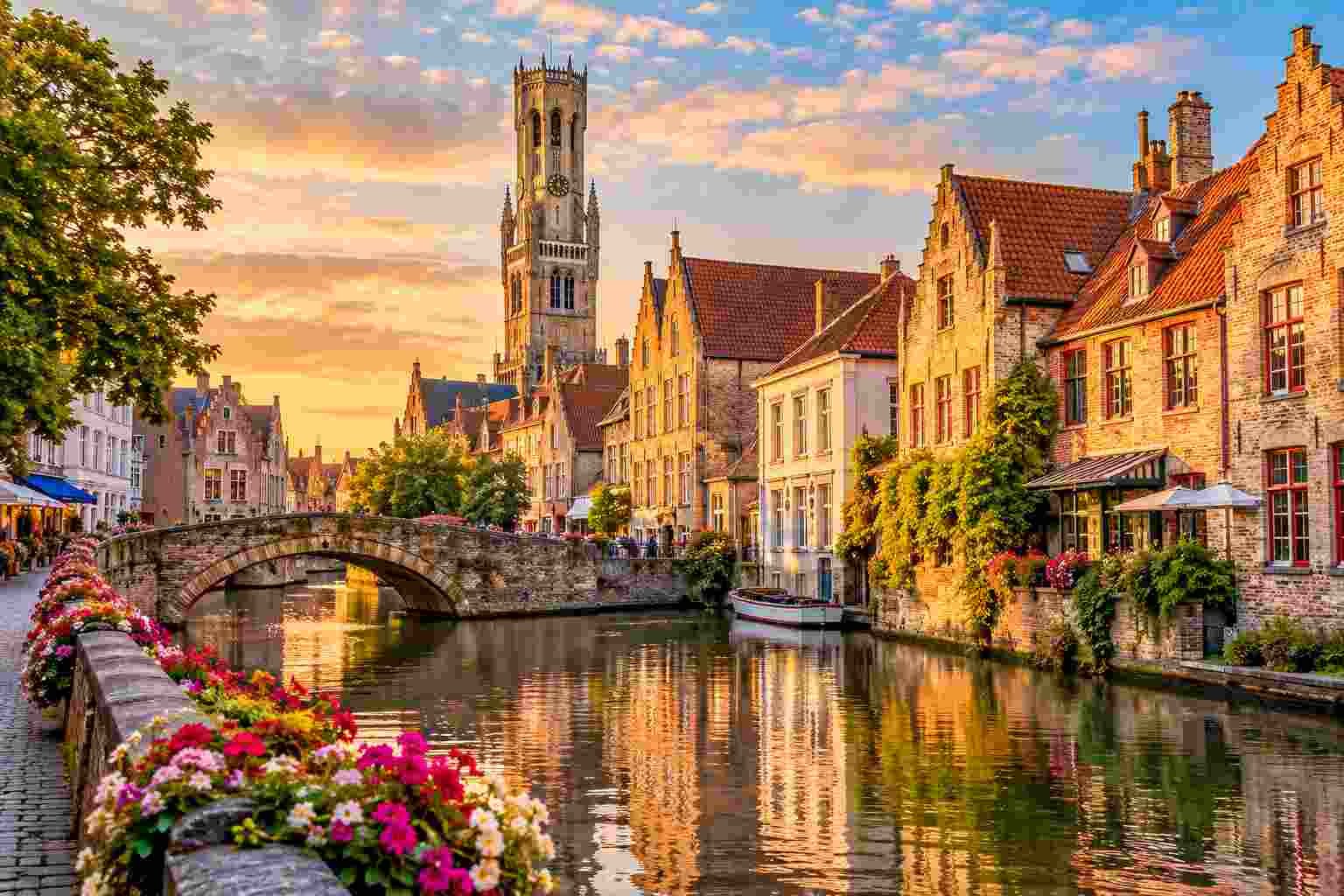
Discover the Best Belgium Cities and Landmarks
Exploring Belgium cities and landmarks is a wonderful way to experience the country’s rich history, beautiful architecture, and local culture. Each destination has something different to offer, from Bruges’ peaceful canals and Ghent’s medieval castle to Brussels’ grand squares and Antwerp’s impressive train station.
Imagine spending a morning wandering through the narrow streets of Bruges, admiring the grand buildings in Brussels the next day, and then finding yourself beside a river surrounded by cliffs in Dinant. That’s part of what makes Belgium such an interesting destination: the scenery and atmosphere can change quite a bit from one stop to the next.
It’s also a practical country to explore if you’d rather travel by train than rent a car. Brussels, Bruges, Ghent, and Antwerp are connected by rail, making it possible to visit several major destinations during one trip.
So, which places should you put on your list? These 15 Belgian cities and landmarks include famous sights, charming smaller towns, important historical sites, and a couple of beautiful spots for getting out into nature.
1. Bruges: The Belgian City That Looks Like a Storybook
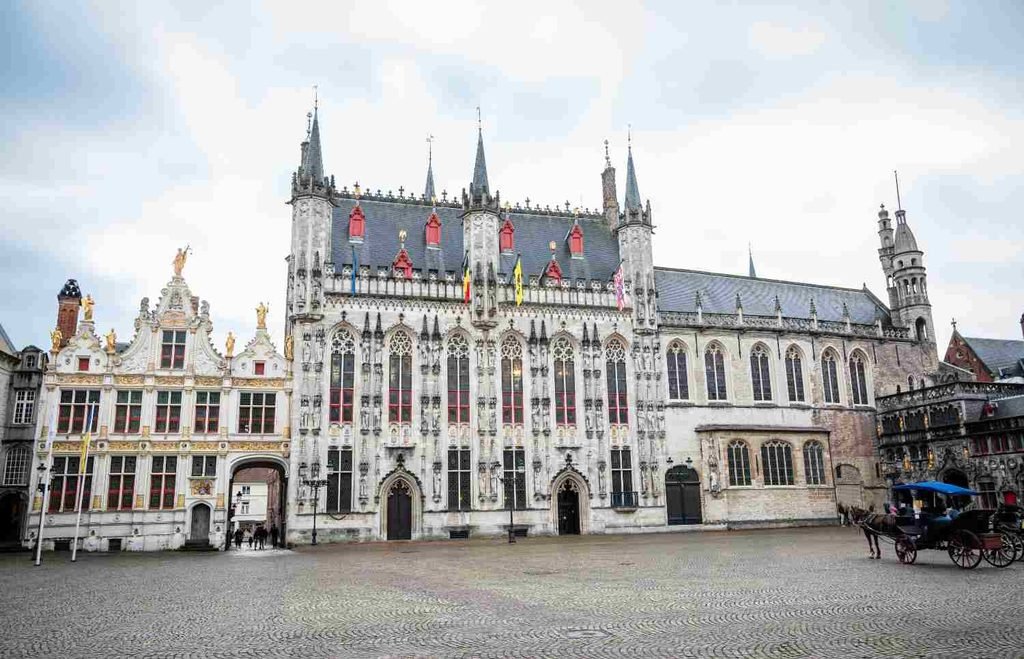
Bruges is often one of the first places people picture when they think about Belgium, and it’s easy to understand why. Canals wind past old buildings, cobblestone streets lead to historic squares, and the city centre has an atmosphere that feels wonderfully different from a modern city.
You don’t need to plan every minute here. Some of the best ways to enjoy Bruges are surprisingly simple: take a walk beside the water, explore a side street, stop for coffee, or browse a shop selling Belgian chocolate.
The historic centre is a UNESCO World Heritage Site, recognised for its well-preserved medieval character.
Places to see in Bruges
- Market Square (Markt): Start here if you want to get a feel for the city. Historic buildings, cafés, and restaurants surround this busy central square.
- Belfry of Bruges: This famous medieval tower is one of the city’s most recognisable landmarks. If you’re up for the climb and tickets are available, the views from above are worth considering.
- Rozenhoedkaai: Bring your camera to this popular canal viewpoint. It’s one of those places that helps explain why Bruges is so photogenic.
- Minnewater (Lake of Love): A lovely option for a quieter walk away from the busiest streets.
- Beguinage: Visit this historic complex for its whitewashed buildings, peaceful garden, and calm atmosphere.
How to enjoy Bruges: Get out early if you can. The canals and old streets are particularly pleasant before the busiest sightseeing hours. Later, you can explore the shops and enjoy a Belgian waffle or chocolate.
One useful tip: Consider spending a night here instead of visiting only on a day trip. You’ll have more time to explore, especially during the quieter hours.
2. Brussels: More Than Belgium’s Capital
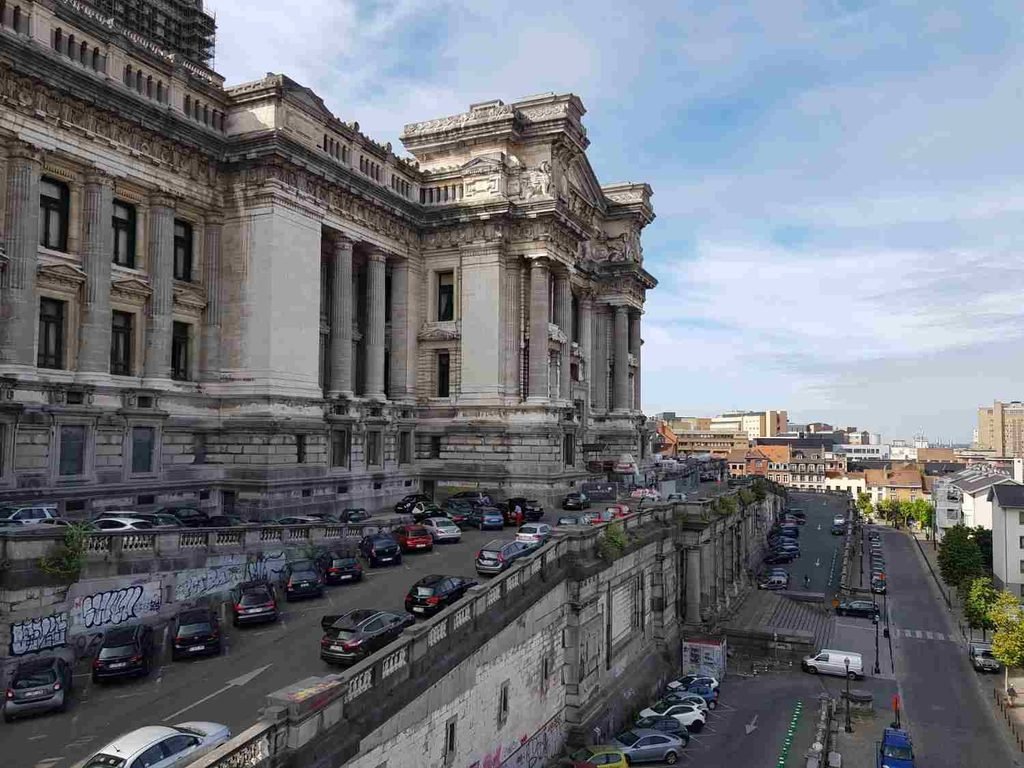
Brussels is a good starting point for a first visit to Belgium, but it’s worth giving the city more than a quick stop. Along with grand historic buildings, you’ll find museums, shopping streets, cafés, and plenty of opportunities to sample Belgian food.
The historic centre is the obvious place to begin. Grand-Place is especially impressive, with its ornate guildhalls and Gothic Town Hall. But Brussels also has a more modern side, and attractions such as the Atomium offer a change of scenery.
Places to see in Brussels
- Grand-Place: A spectacular historic square and UNESCO World Heritage Site. Take time to look closely at the decorated façades rather than simply walking across the square.
- Atomium: Built for the 1958 Brussels World’s Fair, this unusual structure has become one of the city’s signature landmarks. Exhibitions and city views make it worth considering.
- Manneken Pis: This small statue is one of Brussels’ best-known symbols. It’s a quick stop, so combine it with nearby sights.
- Royal Gallery of Saint Hubert: An elegant covered arcade where you can browse shops and pause for a coffee.
- Mont des Arts: Visit for its gardens, cultural attractions, and views across the city.
How to enjoy Brussels: Begin around Grand-Place and explore the surrounding streets on foot. Make room for a chocolate stop, then choose a museum or another attraction based on your interests.
One useful tip: Brussels makes a convenient base for visiting other Belgian cities by train. If you prefer not to change hotels too often, this can simplify your trip.
3. Ghent: A Medieval City With Plenty of Life
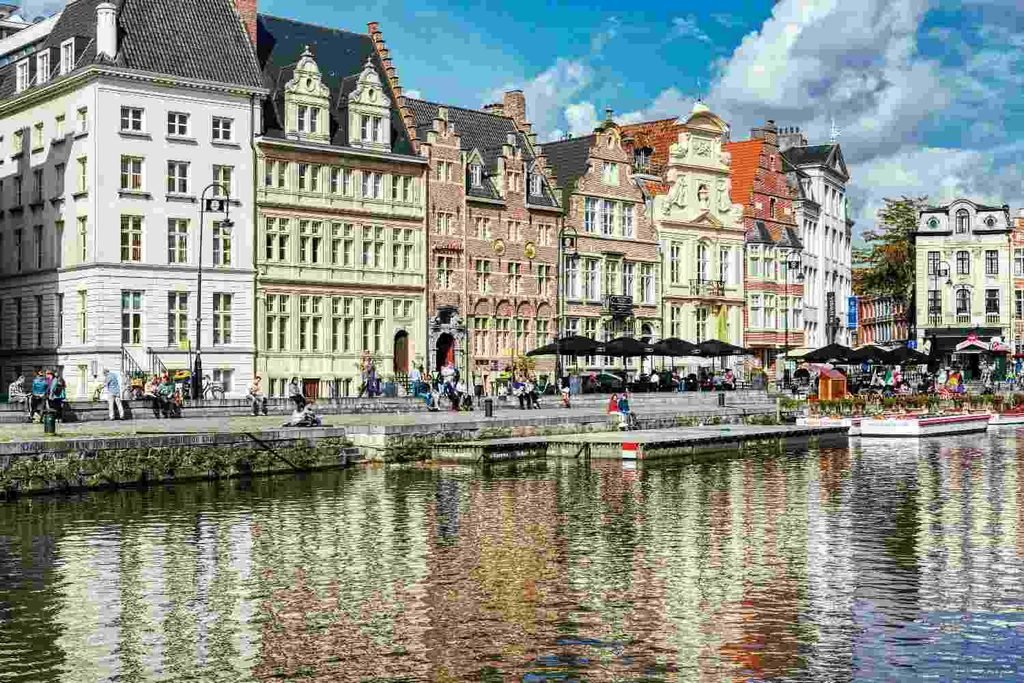
Ghent has the kind of historic scenery many people travel to Europe to see, but it also feels like a city where everyday life is happening all around you.
You’ll find canals, old churches, medieval buildings, and a castle in the centre. At the same time, its university population helps give the city a lively café, restaurant, and cultural scene.
If Bruges is high on your list, don’t automatically skip Ghent. The two cities have some similarities, but Ghent has its own character and is well worth exploring.
Places to see in Ghent
- Gravensteen (Castle of the Counts): A medieval castle in the heart of the city. It’s a natural choice if you enjoy history and historic architecture.
- Graslei and Korenlei: These waterfront areas are lined with beautiful old buildings and are among the best places to enjoy Ghent’s scenery.
- Saint Bavo’s Cathedral: Known for its architecture and the celebrated Ghent Altarpiece.
- Ghent Belfry: A historic tower that forms an important part of the city’s skyline.
- Saint Michael’s Bridge: A popular viewpoint for seeing several of Ghent’s famous buildings together.
How to enjoy Ghent: Start with a walk along Graslei and Korenlei, cross Saint Michael’s Bridge, and explore the old centre. If you have enough time, visit Gravensteen rather than admiring it only from outside.
One useful tip: Ghent is a particularly good choice if you want medieval architecture without spending your entire trip in the most heavily visited tourist areas.
4. Antwerp: A Great Mix of Art, Fashion, and Architecture
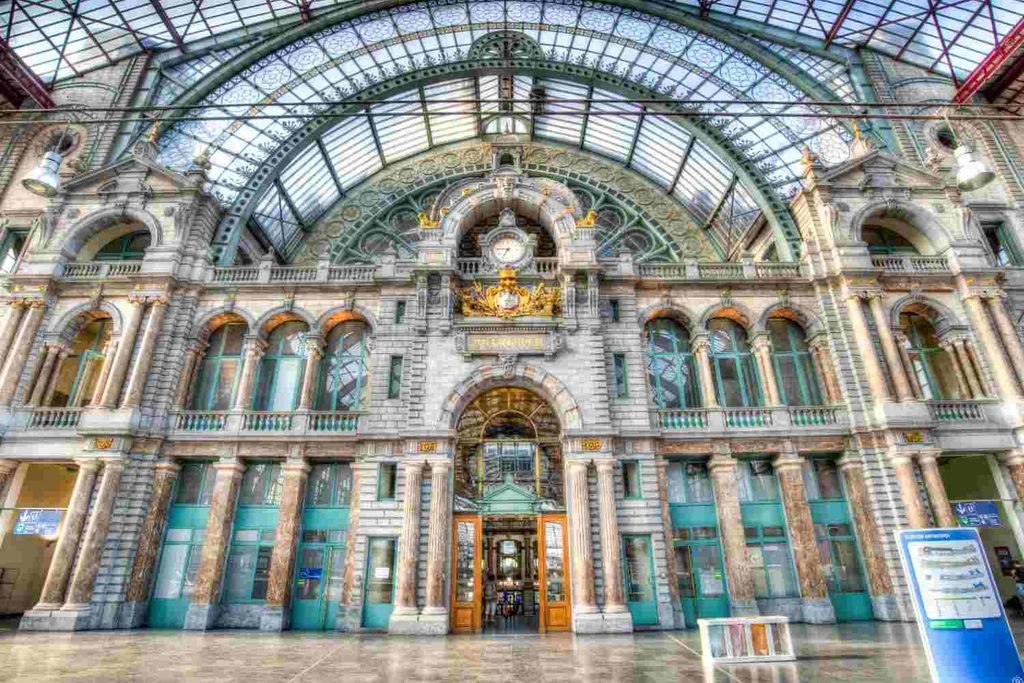
Antwerp feels different from Bruges and Ghent. It’s known for fashion, art, its diamond trade, and a historic centre filled with impressive buildings. It’s also a good place to mix sightseeing with shopping and café stops.
Even the railway station is a major attraction here. If you appreciate architecture, don’t assume a train station is simply somewhere to pass through.
Places to see in Antwerp
- Antwerp Central Station: A monumental railway station admired for its impressive architecture.
- Cathedral of Our Lady: A Gothic landmark associated with works by Peter Paul Rubens.
- Grote Markt: A historic square surrounded by ornate guild buildings.
- Museum aan de Stroom (MAS): A contemporary museum with views of the city and waterfront.
- Het Steen: A historic fortress near the River Scheldt.
How to enjoy Antwerp: Spend the morning exploring the historic centre, then choose an art museum, shopping district, or independent store for the afternoon. You don’t need to rush between every attraction to enjoy the city.
One useful tip: Leave some flexibility in your schedule. Antwerp is a good place to wander and discover shops, cafés, and streets that weren’t necessarily on your original list.
5. Dinant: Riverside Views and Dramatic Cliffs
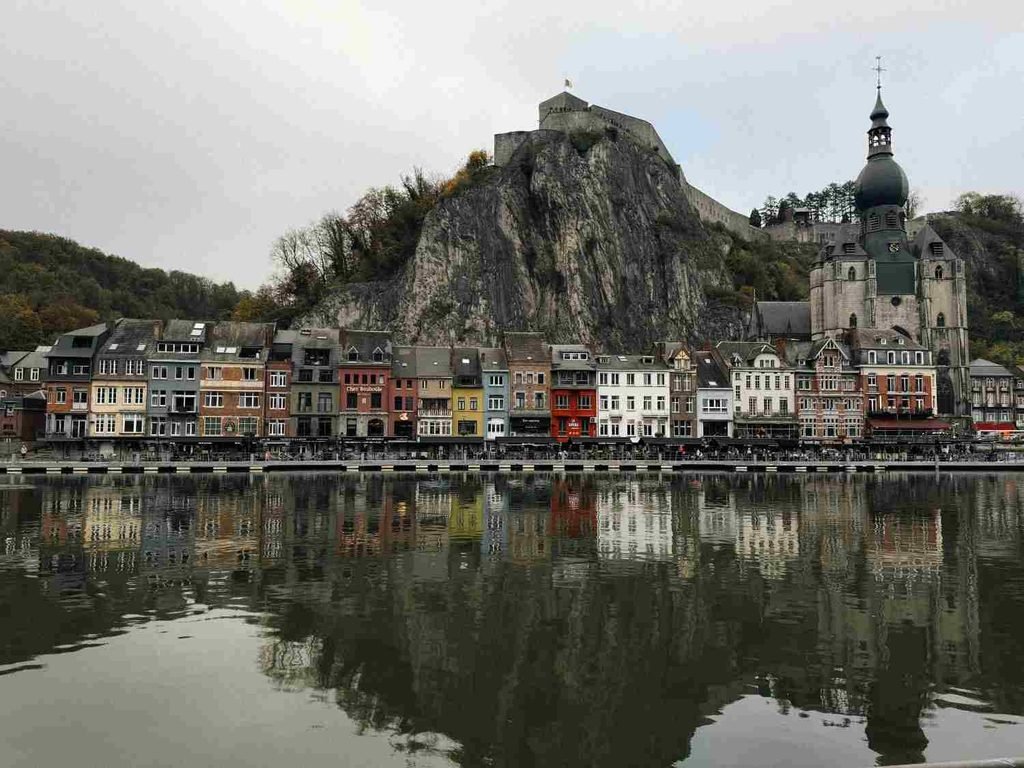
After exploring Belgium’s busy city centres, Dinant offers a welcome change. The town sits beside the Meuse River, with cliffs rising behind it. The setting alone makes it a memorable stop for travellers who enjoy scenic landscapes and photography.
It’s also a nice reminder that Belgium isn’t all medieval squares and historic buildings. Here, the river and surrounding hills play just as big a role in the experience.
Places to see in Dinant
- Citadel of Dinant: A historic fortress overlooking the town and river.
- Collegiate Church of Notre-Dame: Known for its distinctive onion-shaped bell tower.
- Charles de Gaulle Bridge: Look for the colourful saxophone sculptures decorating the bridge.
- Meuse River waterfront: A pleasant place to walk and take in the scenery.
How to enjoy Dinant: Start with a walk along the riverfront and stop on Charles de Gaulle Bridge for photos. If the citadel is open and you have time, head up for a different view of the town.
One useful tip: Dinant can work as a day trip from Brussels, but check transport connections before you set off. Give yourself enough time to enjoy the destination instead of spending most of the day travelling.
6. Leuven: A Historic City With a Student Vibe
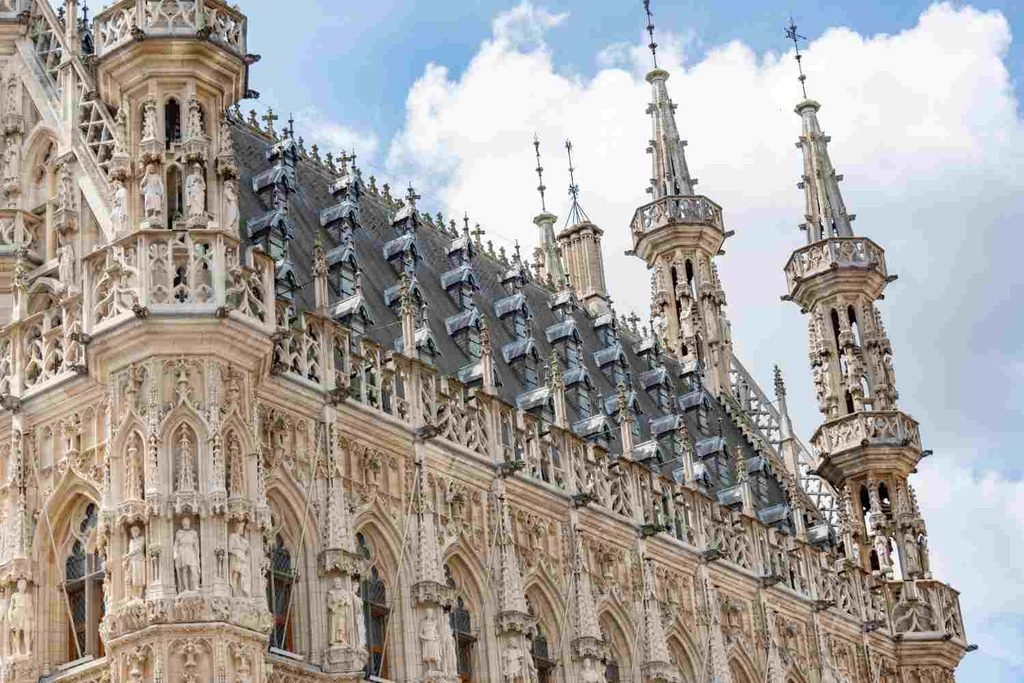
Leuven is worth considering if you want to explore another Belgian city without adding too many complicated travel arrangements.
It’s home to KU Leuven, one of Europe’s historic universities, and the student population gives the city a lively feel. You’ll also find beautiful architecture and historic squares that are easy to explore on foot.
Places to see in Leuven
- Leuven Town Hall: An elaborate Gothic building with a façade full of architectural detail.
- Old Market Square: A popular gathering place lined with cafés and restaurants.
- Grand Beguinage: A historic residential complex recognised as a UNESCO World Heritage Site.
- University Library: A notable building with an interesting history and a distinctive tower.
How to enjoy Leuven: Walk through the old town, spend some time admiring the Town Hall, and then take a break around Old Market Square. It’s an easy city to enjoy without creating a packed schedule.
One useful tip: Staying in Brussels? Leuven is a practical addition to your itinerary if you want to see another historic city without changing hotels.
7. Mechelen: A Smaller City Worth Slowing Down For
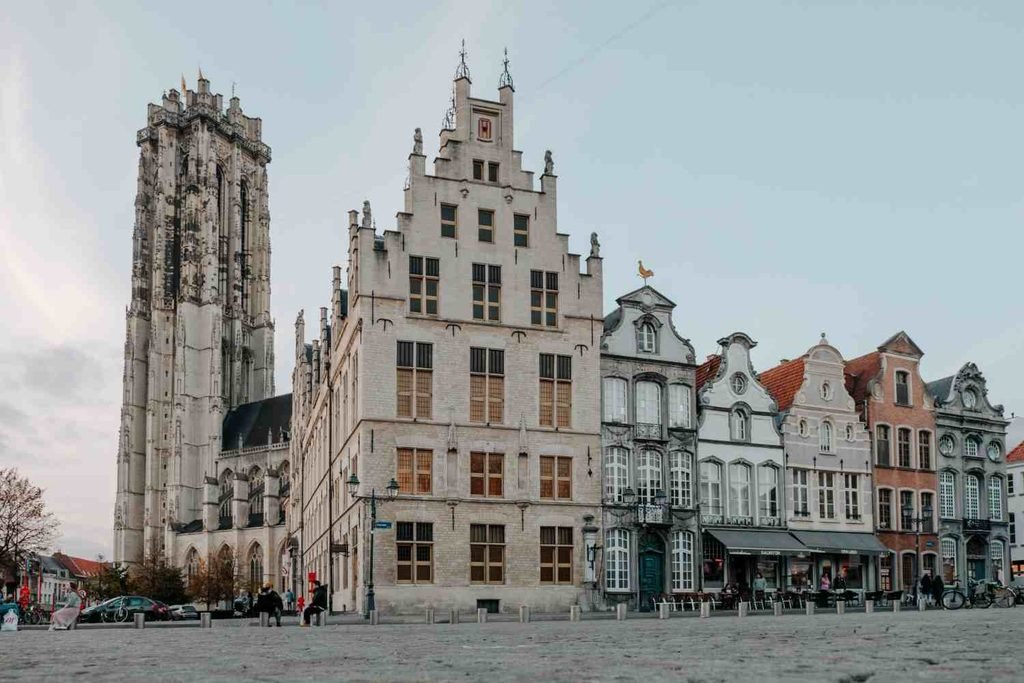
Mechelen doesn’t always get the same attention as Bruges, Brussels, or Ghent, but that doesn’t mean it should be overlooked.
Its historic centre is compact enough for a relaxed visit, and the city offers a mix of architecture, history, and everyday local life. Its location between Brussels and Antwerp also makes it convenient to add to a wider Belgium itinerary.
Places to see in Mechelen
- St. Rumbold’s Cathedral: A major historic church with a prominent tower.
- Grote Markt: The main square, surrounded by historic buildings and cafés.
- Dijle Path: A waterside walking route that lets you see a different side of the city.
- Kazerne Dossin: A museum and memorial focused on persecution and the Holocaust in Belgium.
How to enjoy Mechelen: Explore the historic centre, visit the cathedral area, and stop for a coffee in the main square. A few hours can give you a good introduction to the city.
One useful tip: Mechelen can work well as a half-day stop between Brussels and Antwerp, especially if you enjoy smaller historic cities.
8. Waterloo: Step Into a Major Moment in European History
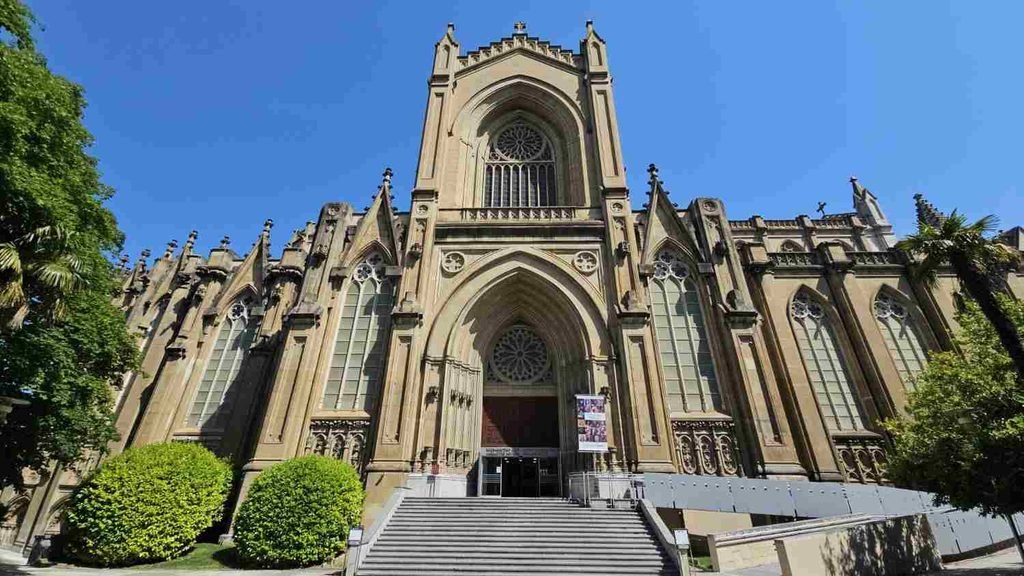
Waterloo is best known for the Battle of Waterloo in 1815, a battle that had a lasting impact on European history.
This isn’t necessarily the place to visit if you’re looking only for pretty streets and cafés. Its appeal is different: the museums, memorials, and battlefield help visitors understand the events that took place here.
Places to see near Waterloo
- Lion’s Mound: A prominent artificial hill commemorating the battlefield.
- Memorial 1815: A museum that explains the battle and its historical context.
- Battlefield landscape: Explore the area where visitors can learn about how the battle unfolded.
How to enjoy Waterloo: Visit the museum before walking around the battlefield. Having some background knowledge makes it easier to understand the significance of the landscape.
One useful tip: Check opening hours and ticket information before you go, particularly if you’re planning to visit several historical attractions in one day.
9. Tournai: Historic Architecture Away From the Usual Crowds
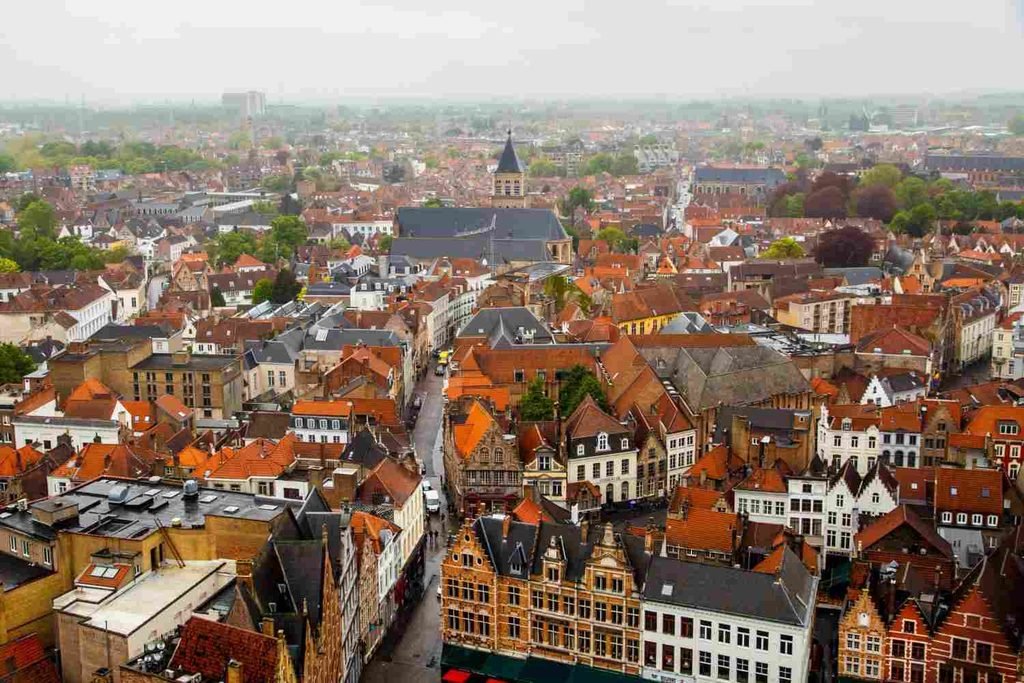
Tournai, in western Belgium, is a good option for travellers who like discovering places that aren’t always included on a first-time visitor’s itinerary.
Its history is reflected in the city’s religious and civic buildings, public squares, and older streets. You can spend time admiring the architecture without trying to fit in a long list of major attractions.
Places to see in Tournai
- Notre-Dame Cathedral of Tournai: A major historic cathedral recognised as a UNESCO World Heritage property.
- Belfry of Tournai: A historic tower closely connected to the city’s identity.
- Grand-Place: The central square, with historic buildings and cafés.
- Medieval streets: Smaller lanes worth exploring at a leisurely pace.
How to enjoy Tournai: Start with the cathedral and Grand-Place, then wander through the old town. Give yourself time to notice the smaller architectural details along the way.
One useful tip: Tournai is a good addition if you want your Belgium trip to include somewhere beyond the most familiar tourist destinations.
10. Ypres: A Moving Place to Learn About World War I
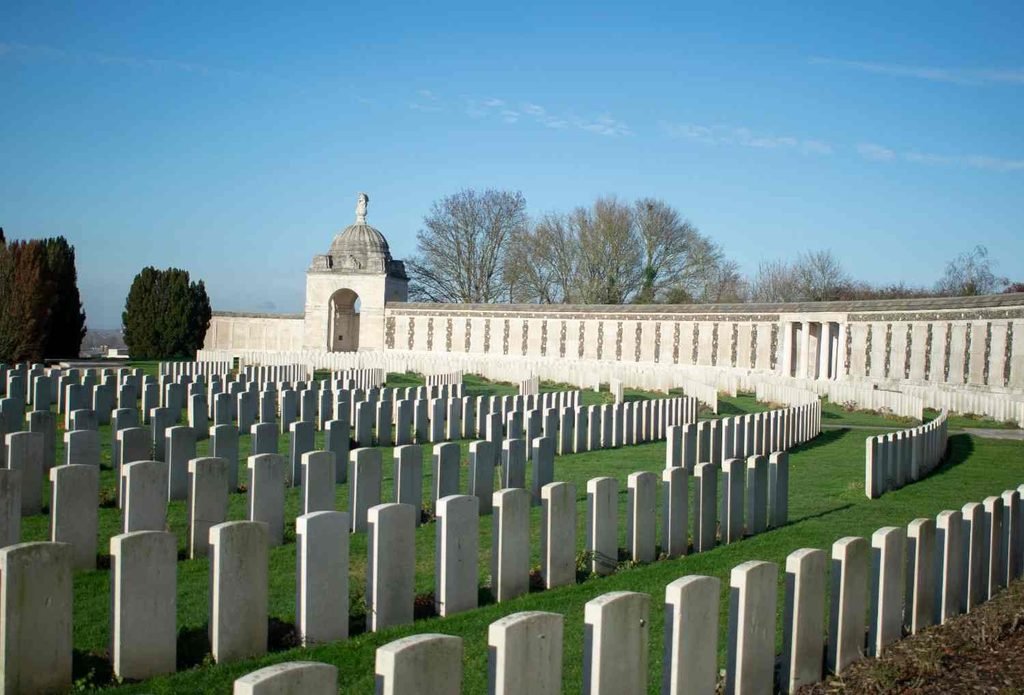
Ypres, also known as Ieper, is an important destination for travellers interested in World War I. The city and its surrounding region contain memorials, museums, cemeteries, and preserved sites connected to the Western Front.
A visit here can be a powerful experience. Rather than rushing through the attractions, give yourself time to learn about the history and approach the memorials respectfully.
Places to see in Ypres
- Menin Gate Memorial: A major memorial commemorating missing Commonwealth soldiers from World War I.
- In Flanders Fields Museum: A museum exploring the history and impact of the war.
- Cloth Hall: A prominent historic building on the main square.
- Historic battlefields and cemeteries: Sites across the surrounding region that help tell the story of the conflict.
How to enjoy Ypres: Start at the In Flanders Fields Museum, then plan your visit to the memorials and surrounding sites. The museum provides useful context for understanding what you’re seeing.
One useful tip: Some sites are spread across the wider region, so plan your transport ahead of time. You may need more time than expected to visit several locations.
11. Liège: A Different Side of Belgium
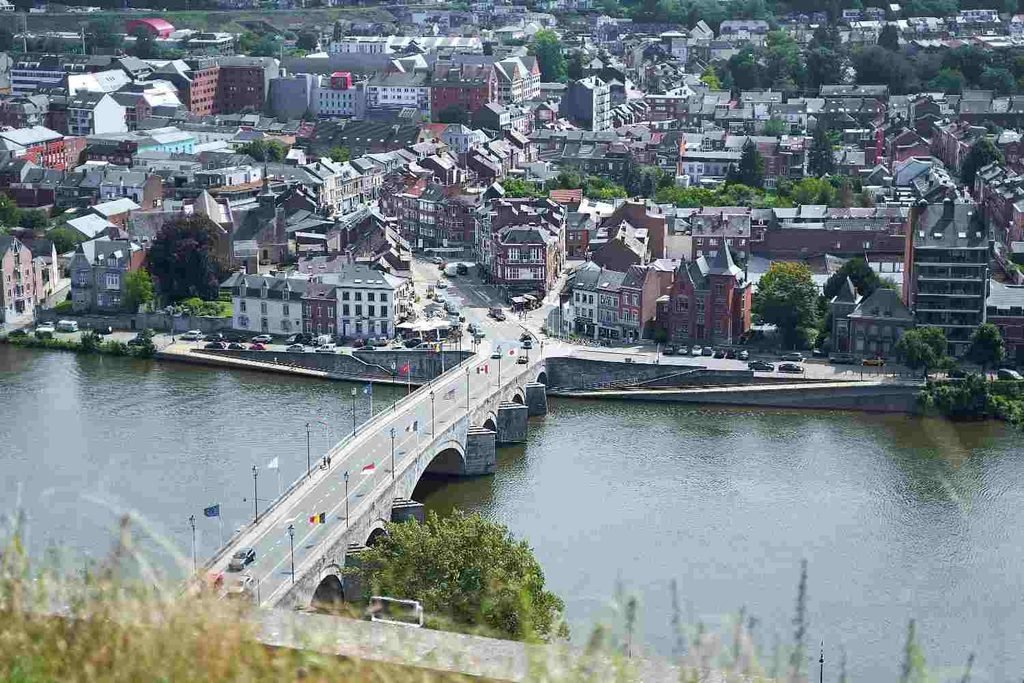
Liège offers a more urban experience than the smaller medieval towns on this list. It’s known for its historic buildings, museums, markets, and distinctive local culture.
If you want to explore beyond the best-known Flemish cities, Liège gives you another perspective on Belgium. It’s also a good stop for anyone who enjoys architecture and local food.
Places to see in Liège
- Montagne de Bueren: A famous staircase with hundreds of steps and views across the city.
- Liège-Guillemins railway station: A striking contemporary structure designed by architect Santiago Calatrava.
- Place Saint-Lambert: A central public square connected to the city’s history.
- La Boverie: An art museum set in a park.
How to enjoy Liège: If you’re comfortable with a climb, make your way up Montagne de Bueren.Afterwards, explore the city centre and try a local speciality, such as a Liège waffle.
One useful tip: Bring comfortable shoes. The stairs and hills can make exploring Liège more demanding than walking around a flatter city.
12. Ostend: A Break by the North Sea
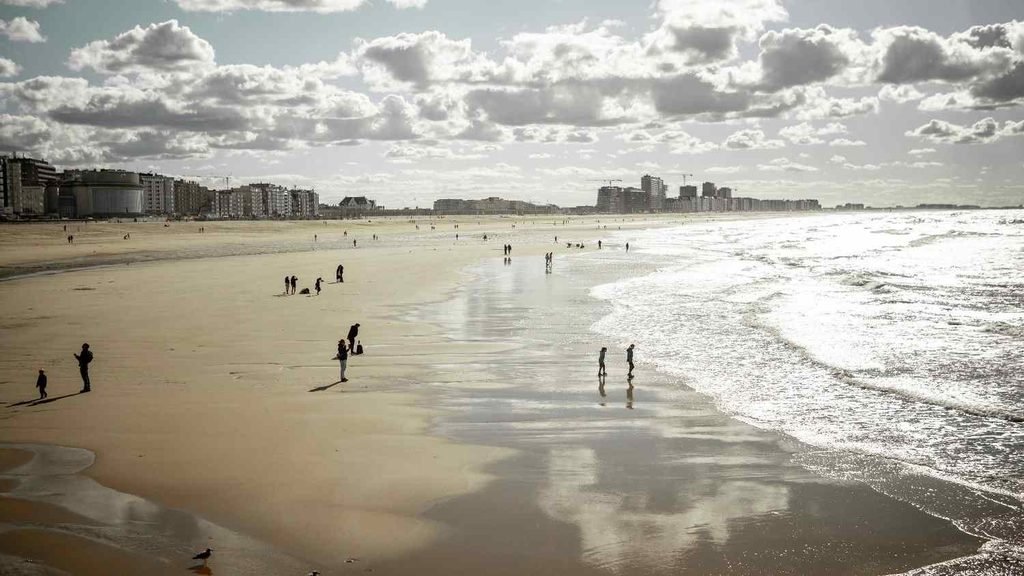
Not every stop on a Belgium itinerary has to involve historic buildings and museums. Ostend offers a chance to enjoy the coast, with a sandy beach, a seaside promenade, seafood, and cultural attractions.
It’s a useful addition if you want to balance city sightseeing with a little time by the water.
Places to see in Ostend
- Ostend Beach: A long stretch of sandy coastline.
- The Promenade: A pleasant place for a walk beside the sea.
- Mu.ZEE: A museum focused on Belgian art.
- Historic waterfront areas: Places to explore the city’s maritime character.
How to enjoy Ostend: Take a morning walk along the beach, explore the city in the afternoon, and consider a seafood meal if it fits your budget. If the weather cooperates, leave some time to simply enjoy the coast.
One useful tip: Coastal weather can be windy and changeable, even in warmer months. A light jacket is worth packing.
13. Durbuy: A Charming Town Surrounded by Nature
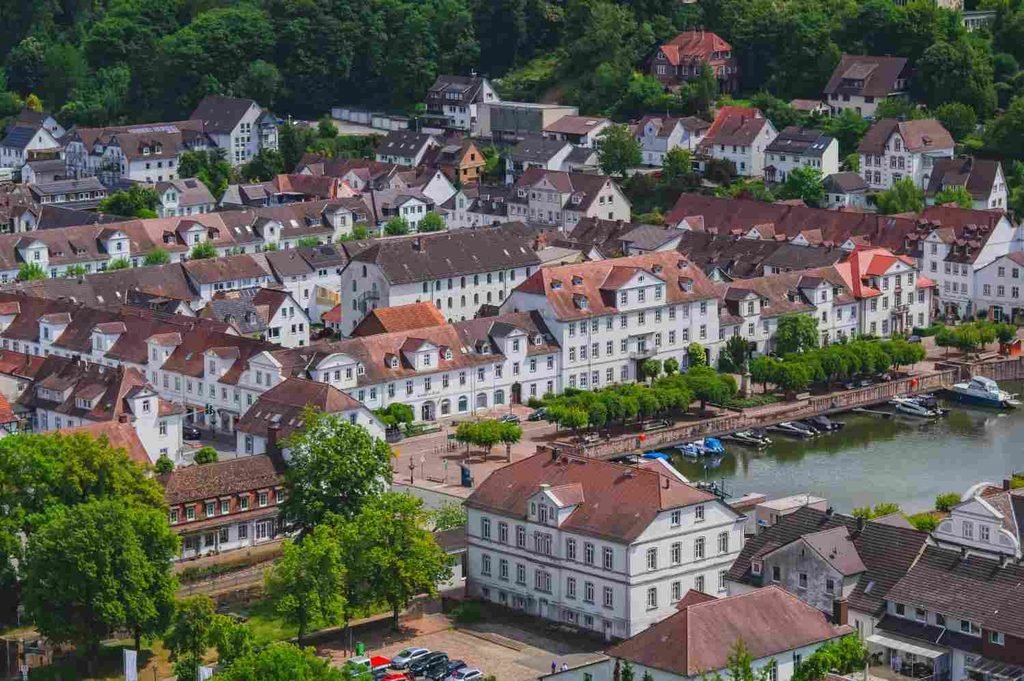
Durbuy is often promoted as one of the world’s smallest cities, but its real appeal is its setting and compact historic centre.
Surrounded by the green countryside of the Ardennes, it’s a lovely place for travellers who prefer a slower pace. Narrow streets, stone buildings, small shops, and nearby outdoor activities give it a different feel from Belgium’s larger cities.
Places to explore in Durbuy
- Historic town centre: Wander through narrow streets lined with stone buildings and small shops.
- Ourthe River: Enjoy the surrounding scenery and walking opportunities.
- Topiary Park: A landscaped garden featuring shaped shrubs and sculptures.
- Ardennes countryside: Explore the nearby countryside if you have time for outdoor activities.
How to enjoy Durbuy: Don’t rush from one attraction to another. Walk through the old streets, browse the shops, enjoy a relaxed meal, and leave some time to explore the surrounding landscape.
One useful tip: Durbuy is a good choice if you want to combine a small-town visit with nature and outdoor activities.
14. Hallerbos Forest: A Sea of Bluebells in Spring
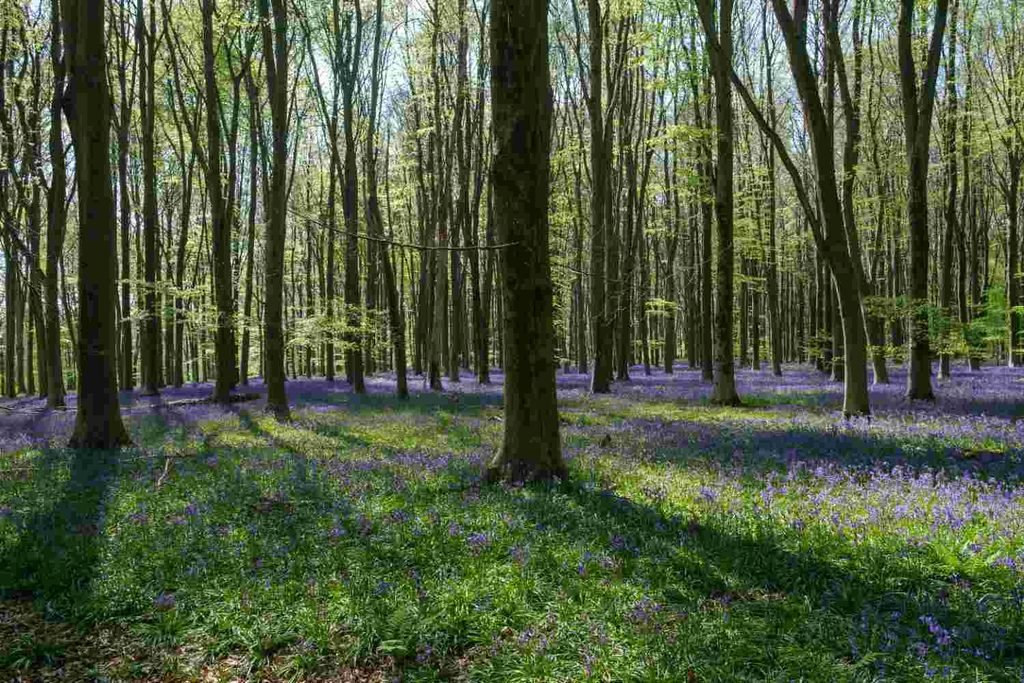
Belgium’s memorable places aren’t limited to cities and historic buildings. Hallerbos, a forest south of Brussels, offers something entirely different.
The forest is famous for its spring bluebells. When the flowers bloom, parts of the forest floor take on a beautiful blue-purple colour, creating a seasonal landscape that attracts photographers and nature lovers.
Why visit Hallerbos?
- See the seasonal bluebell display.
- Walk along woodland trails.
- Take nature and landscape photographs.
- Enjoy a peaceful break from city sightseeing.
How to enjoy Hallerbos: If seeing the bluebells is your main reason for visiting, check local updates before planning your trip. The flowering period changes from year to year, so timing matters.
One useful tip: Stay on designated paths and follow local guidance. It’s important to protect the flowers and the woodland environment for future visitors.
15. Sonian Forest: A Quiet Escape Near Brussels
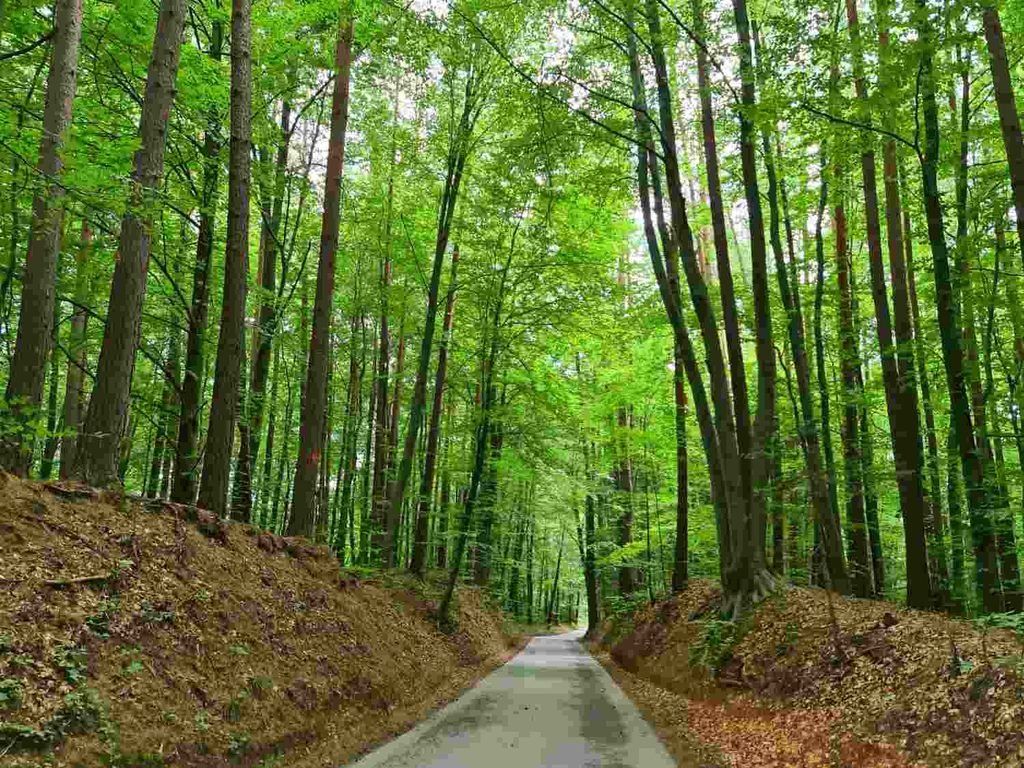
If you want a little nature without travelling far from the capital, consider the Sonian Forest southeast of Brussels.
Its wooded trails provide a welcome change from busy streets, museums, and sightseeing crowds. Depending on the area and local rules, you may be able to enjoy walking, cycling on permitted routes, or a quiet picnic.
What to explore in the Sonian Forest
- Woodland walking trails.
- Historic forest landscapes.
- Picnic spots where permitted.
- Seasonal scenery and opportunities to observe wildlife.
How to enjoy the forest: Set aside a few hours for a walk beneath the trees. You don’t need a complicated plan; sometimes a quiet break from sightseeing is exactly what a trip needs.
One useful tip: Check access rules and transport options for the entrance you plan to use. The best route will depend on where you’re starting from.
Planning Your Belgium Itinerary
Trying to fit every destination into one trip can quickly turn a vacation into a checklist. Instead, choose a few places that interest you most and build your route around them.
Here are three ways to approach your trip, depending on how much time you have.
Belgium in 3 Days
With only three days, focus on the major highlights. You’ll need to keep the schedule fairly focused, but it’s enough for a first look at the country.
- Day 1 — Brussels: Explore Grand-Place, visit the Royal Gallery of Saint Hubert, and consider visiting the Atomium.
- Day 2 — Bruges: See Market Square and the Belfry, walk beside the canals, and stop at Rozenhoedkaai.
- Day 3 — Ghent: Explore Gravensteen, walk along Graslei, and visit Saint Bavo’s Cathedral.
Allow time for train journeys and check attraction opening hours before you finalise each day.
Belgium in 5 Days
Five days gives you room to add another city and enjoy a slightly less rushed trip.
- Day 1: Explore Brussels.
- Day 2: Spend the day in Bruges.
- Day 3: Discover Ghent.
- Day 4: Visit Antwerp.
- Day 5: Choose Dinant for riverside scenery or Leuven for historic architecture and a university-town atmosphere.
Belgium in 7 Days
A full week lets you go beyond the main tourist stops. Rather than trying to visit every place in this guide, choose destinations based on your interests.
- Spend extra time in Bruges or Ghent if you enjoy historic streets and architecture.
- Add Mechelen or Leuven for a smaller historic city.
- Visit Ypres if World War I history interests you.
- Choose Dinant or Durbuy for countryside scenery.
- Consider Hallerbos if your visit lines up with the spring bluebell season.
My planning advice: Don’t underestimate the value of a slower itinerary. Leaving an afternoon free for a long lunch, a walk, or an unexpected discovery can make a trip feel much more enjoyable.
When Is the Best Time to Visit Belgium?
There’s no single perfect month for everyone. The best time to visit Belgium depends on what you want to do, how you feel about crowds, and whether you prefer outdoor sightseeing or indoor attractions.
Spring (March–May)
Spring brings fresh greenery and is a good time for city walks and gardens. Hallerbos is especially popular during its bluebell season, although the exact flowering dates vary each year.
Summer (June–August)
Longer days make summer appealing for sightseeing and outdoor activities. Popular destinations such as Bruges can be busy, so book accommodation ahead during peak periods.
Fall (September–November)
Fall can be a pleasant time to explore historic centres and enjoy changing foliage. Depending on when you visit, you may also find a quieter atmosphere than in midsummer.
Winter (December–February)
Winter is a good option for museums, cafés, historic streets, and seasonal markets. Expect colder temperatures, shorter daylight hours, and occasional rain.
Whatever season you choose, check local event schedules and attraction opening hours before you travel.
Tips for Visiting Belgium Cities and Landmarks
When planning your trip, consider how much time you want to spend in each city. Belgium’s train network makes it relatively easy to travel between popular destinations, so you can visit several Belgium cities and landmarks without changing hotels every night. Check train schedules in advance and leave enough time to explore each place at your own pace.
Make Use of the Train Network
Trains are a convenient way to travel between major destinations such as Brussels, Bruges, Ghent, Antwerp, and Leuven. You may not need a rental car for a trip focused mainly on these cities.
Check the official Belgian rail operator, SNCB/NMBS, for current schedules, fares, and ticket conditions: https://www.belgiantrain.be/en.
Pack for Unpredictable Weather
Don’t assume every day will be sunny, even if you’re visiting in a warmer month. Comfortable walking shoes, layers, and a compact rain jacket are useful for exploring on foot.
Check Attraction Details Before Leaving
Some museums, exhibitions, and guided experiences have timed entry or limited availability. Check official websites for current opening hours, ticket information, and any visitor requirements.
Don’t Plan Every Minute
It’s easy to fill a travel itinerary with landmarks, but leave room for the small things, too. A neighbourhood café, an interesting shop, or an unplanned walk beside a canal can become part of what you remember most.
Learn a Few Local Greetings
Belgium has three official languages: Dutch, French, and German. The language you’ll encounter most often depends on the region you’re visiting.
Learning a simple greeting in the local language is a thoughtful gesture and can make everyday interactions feel more welcoming.
Final Thoughts: Which Belgium Destinations Will You Choose?
One of the best things about Belgium is the variety packed into a relatively small country. You can spend one day wandering beside Bruges’ canals, admire the architecture of Brussels the next, and then trade busy streets for the river views of Dinant or the woodland trails near the capital.
The Belgian cities and landmarks you choose will depend on what you enjoy most. If it’s your first visit, Brussels, Bruges, and Ghent make a strong starting point. Add Antwerp if you love architecture and art, Ypres if you’re interested in history, or Durbuy if a quieter countryside escape sounds more appealing.
You don’t have to see all 15 places in one trip. Choose a few that genuinely interest you, plan a route that makes sense, and give yourself enough time to enjoy each stop.
Belgium has plenty to discover, and your trip will be better for choosing experiences you actually look forward to—not simply trying to check every destination off a list.
15 Best Travel Bucket List Experiences for Adventure Lovers
Frequently Asked Questions
What are the best cities to visit in Belgium?
Bruges, Brussels, Ghent, and Antwerp are excellent starting points for first-time visitors. If you have more time, consider Leuven, Mechelen, Dinant, or Liège, depending on whether you prefer architecture, local culture, or scenic landscapes.
What are the most famous landmarks in Belgium?
Well-known landmarks include Grand-Place and Atomium in Brussels, the Belfry and canals of Bruges, Gravensteen Castle in Ghent, Antwerp Central Station, and the Citadel of Dinant.
How many days should I spend in Belgium?
Three days can cover a few major highlights, particularly Brussels, Bruges, and Ghent. Five to seven days gives you more time to explore additional cities and travel at a more relaxed pace.
Is it easy to travel around Belgium by train?
Yes. Major cities are connected by rail, making train travel a convenient option for many visitors. Check current schedules, fares, and ticket conditions before your journey.
Is Bruges worth visiting?
Yes. Bruges is known for its medieval centre, canals, historic squares, and beautiful architecture. It’s especially appealing if you enjoy photography, history, and scenic walks.
What is the best month to visit Belgium?
Late spring and early fall are attractive periods for many travellers because of the milder weather and sightseeing opportunities. Summer offers longer days but can be busy, while winter is a good option for museums, cafés, and seasonal markets.